

Samadhi reports from a meditation camp with almost 800 seekers, a new five-storey centre on the banks of the Ganges and a fire ceremony under a clearing sky
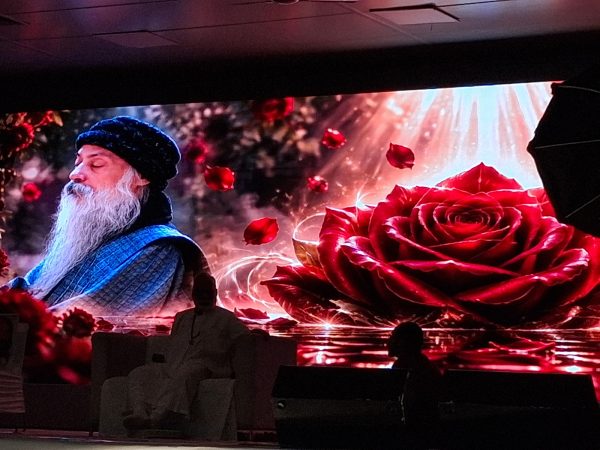
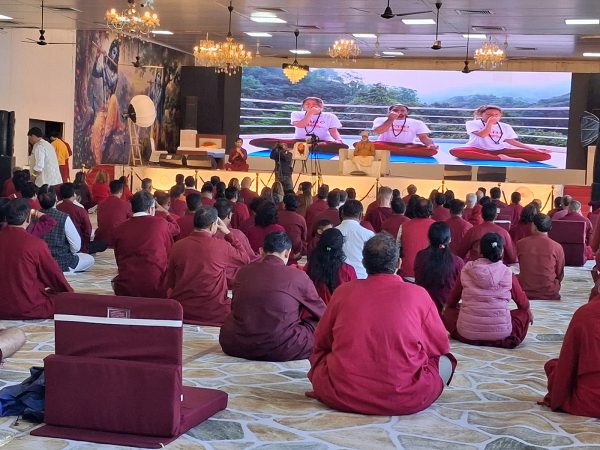
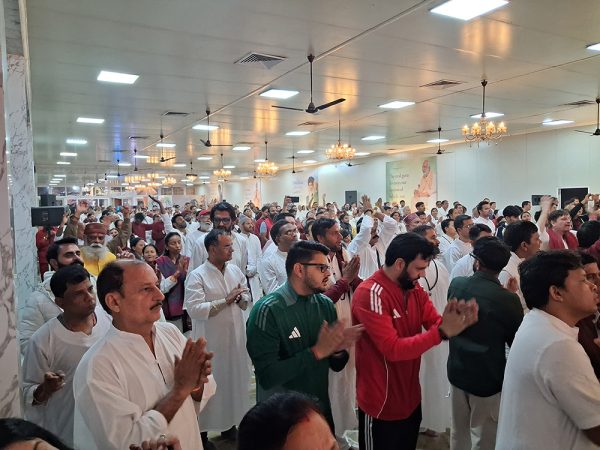
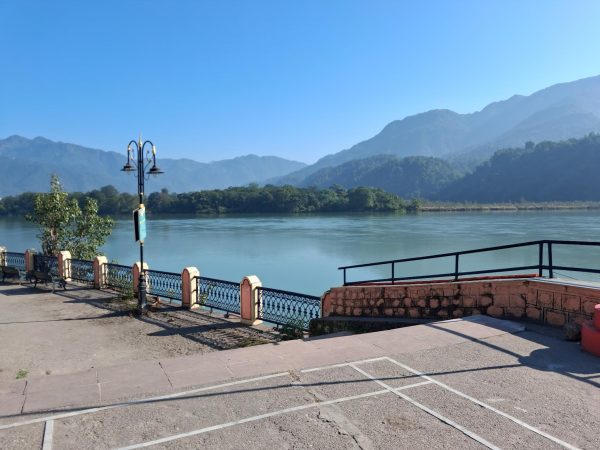
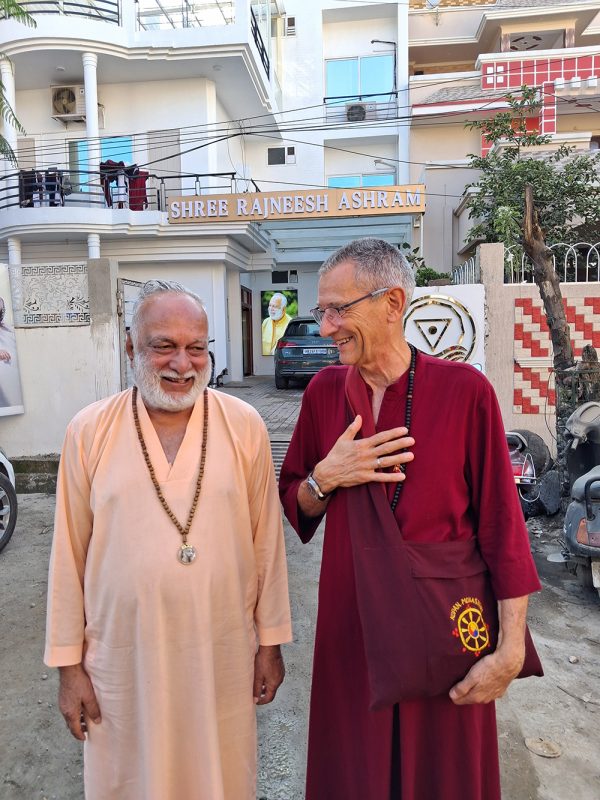
As I do every year, I spend several months at Osho Tapoban in Nepal. This time it has been more than six months, a period of inner and outer richness, almost impossible to describe. This account and the photographs are my helpless attempt to somehow share my experiences, insights, encounters, conversations, intense moments and states of being.
The eighth Mega Camp in India, on the banks of the River Ganges, was organised out of Nepal by Osho Tapoban. But how did this come about? Let me explain.
There are centres, ashrams, buddhafields, places of power and mystery schools. Yet Hinduism has a term that shows that there is something which encompasses all the aspects and qualities that these places make accessible and represent, whilst at the same time transcending them. They call such a place a Mahatirth.
A Mahatirth can be created and found only very rarely, and only in isolated instances, in the course of human history. It serves as a hub and multiplier of the energy and presence of the Enlightened One(s). Tapoban is such a place. Here I experience states of being and insights on a daily basis that would take me years to attain in the West.
That’s why Tapoban organises Mega Camps in India.
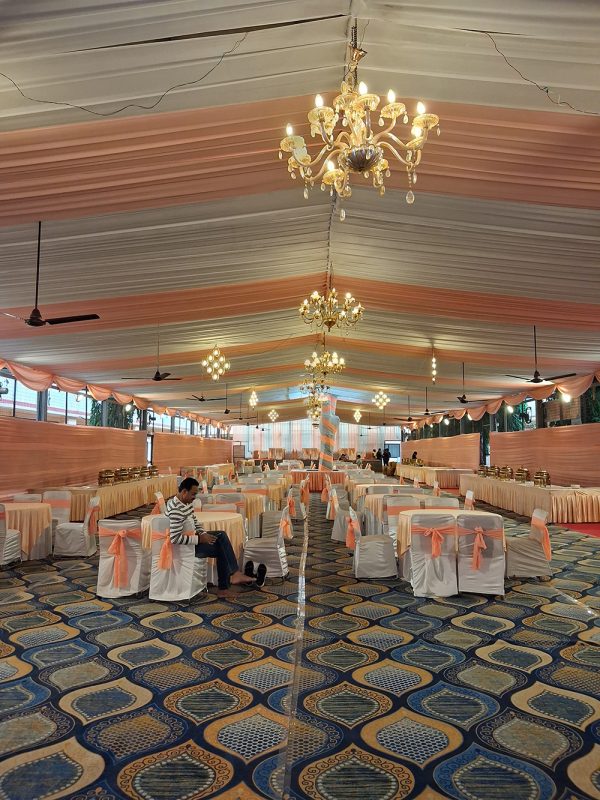
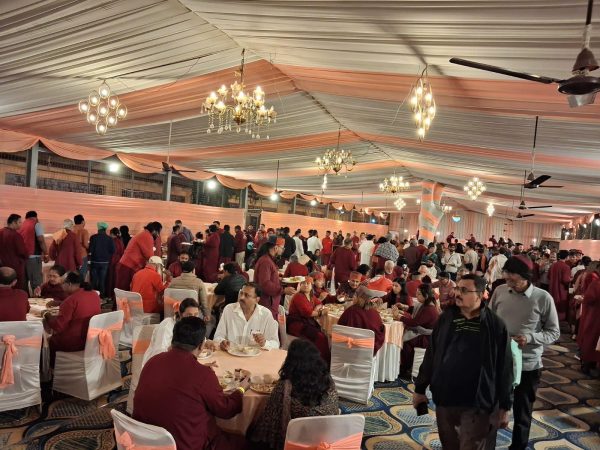
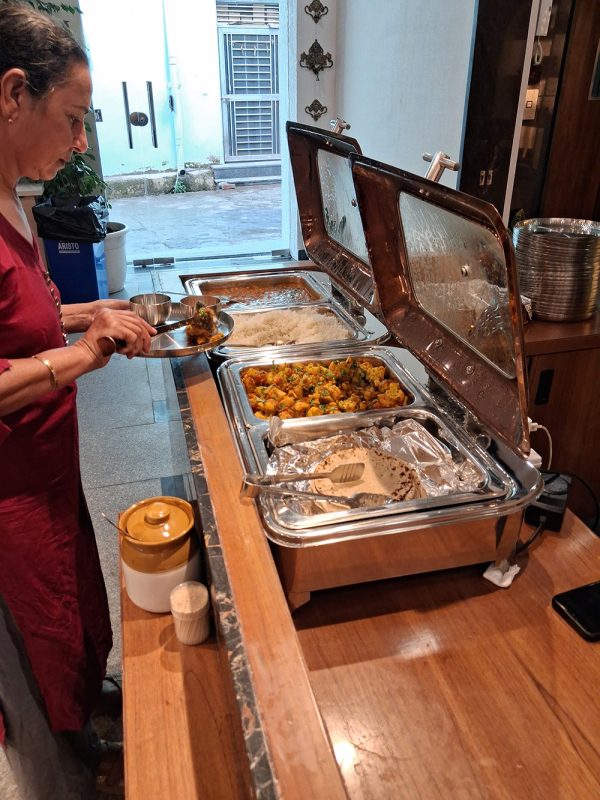
Specially for Rishikesh, 600 red and 600 white robes were tailored in various sizes, and thousands of books printed. In addition, a place had to be found that could provide three meals a day for almost 800 people. The Hindu ashram Parmarth Niketan seemed to be the place for that.
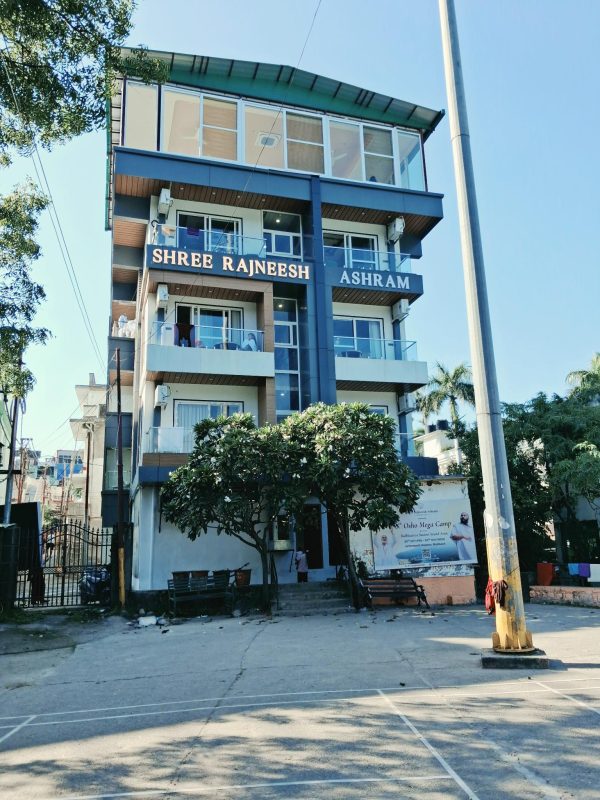
We flew from Kathmandu to Delhi and took a taxi to Rishikesh. The journey took about six hours. When we arrived at the new Shree Rajneesh Centre, we could only marvel at what we saw. A hotel plus a five-storey ashram had been built in record time, thanks to wealthy sannyasins who had shouldered the project and donated several million dollars to make it possible.
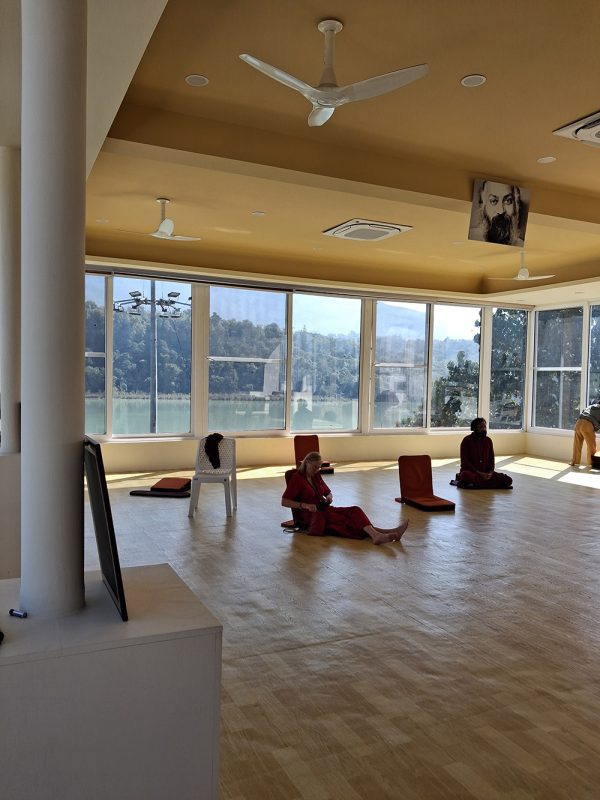
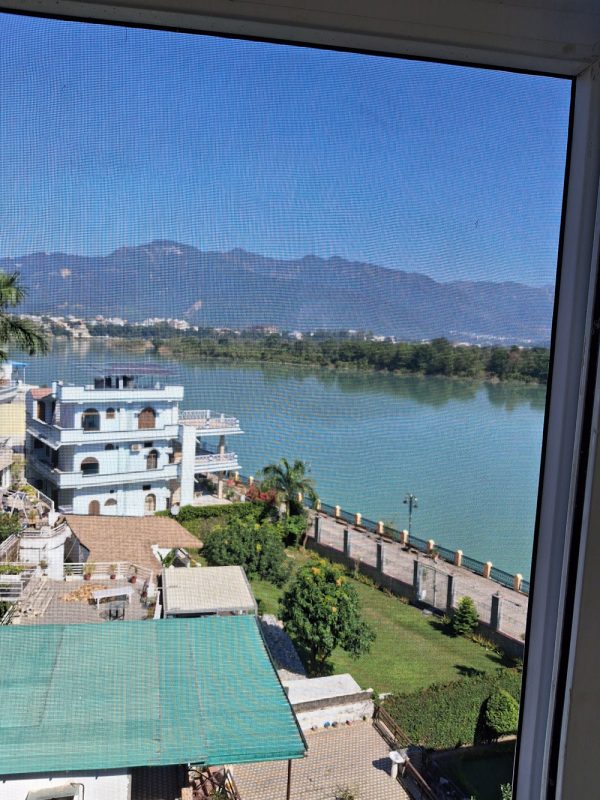
The rooms are on a par with a 5-star hotel, with king-size beds, bathrooms in dark marble, oak-effect furniture, views of the Ganges, and exquisite cuisine. The view from the meditation hall on the fifth floor is breathtaking – the hall is glazed all round, offering an unobstructed view of the majestic Ganges as it glides by.
Unforgettable, and imprinted on my soul, was a spontaneous sitting in absolute silence with Swami Arun and a few sannyasins one evening, right at the Ganges. It was completely silent. The river glided soundlessly by. The full moon rose over the mountains and, with a gentle gesture, showered its silvery light over us and ‘Mother Ganga’. Silence merged soundlessly with silence, formless, healing, beyond comprehension in its beauty.
The Mega Camp began shortly afterwards. Almost 800 people had registered; many had to be asked to come back for the next camp.
The joy, the laughter and people’s curiosity about Osho’s meditation techniques were heart-warming. These people know, or sense, what meditation can do for their lives.
During each of the four days the participants were introduced to different meditations and given the chance to experience them: Dynamic, Kundalini, No-Mind, No-Dimension, Chakra Breathing, Silent Sittings, White Robe Meditation. There were also question-and-answer sessions with Arun, one of Osho’s closest and earliest disciples. Many of the questions were about depression and fear.
More than 1,000 books by Osho were sold, all at cost price. Arun’s book, In Wonder with Osho, was one of the bestsellers.
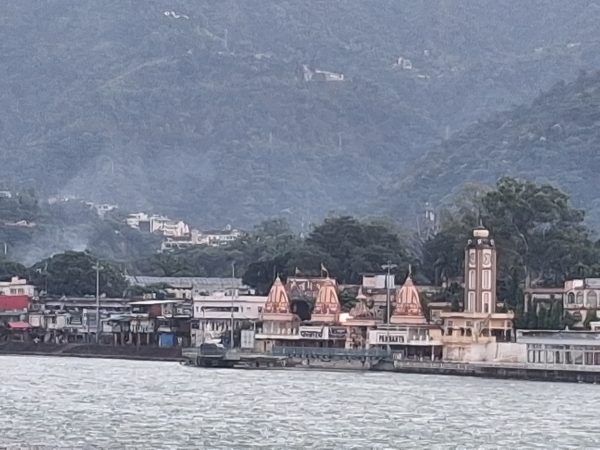
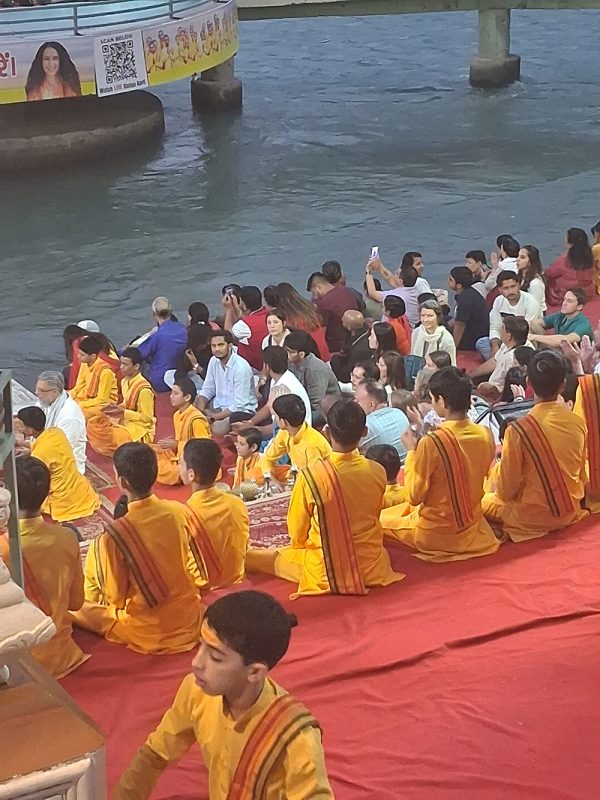
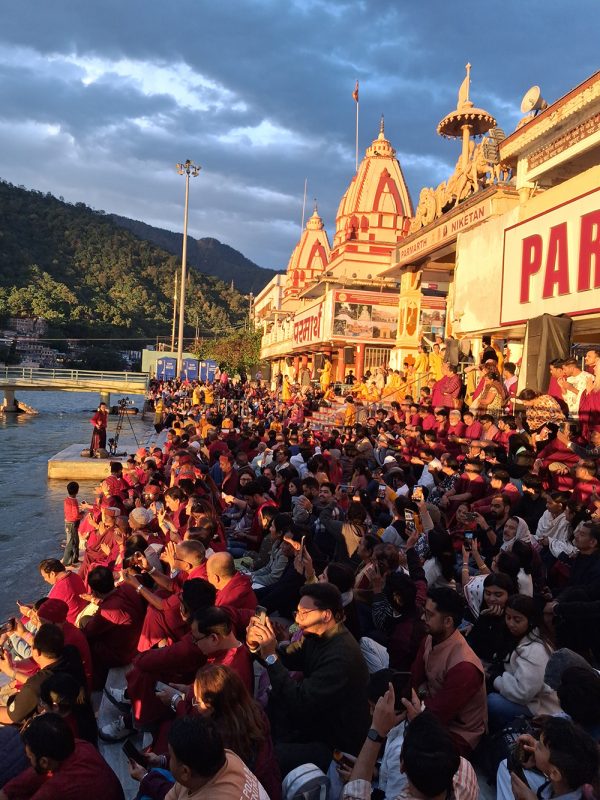
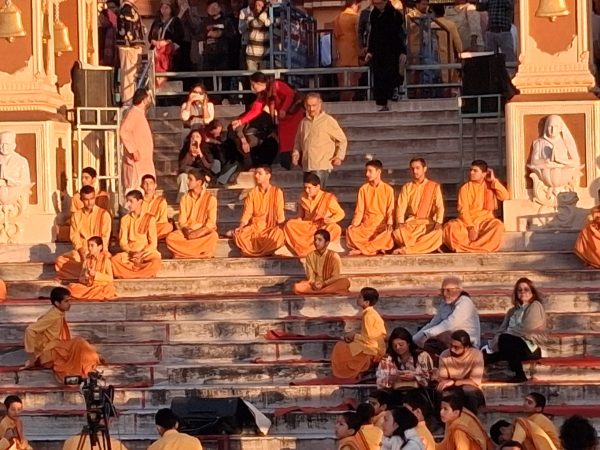
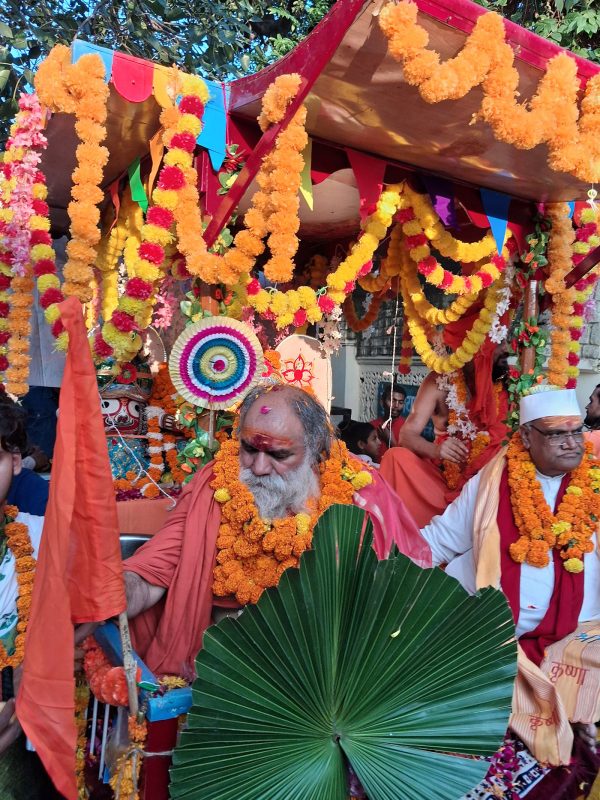
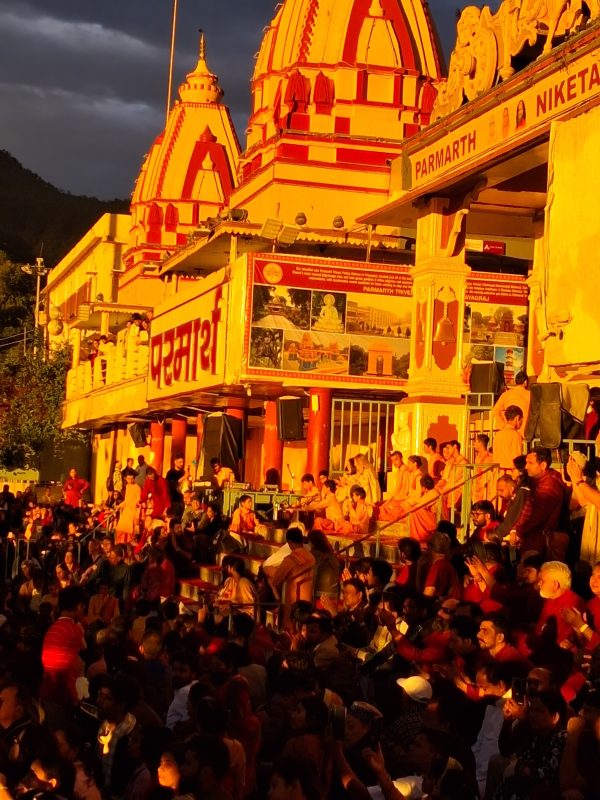
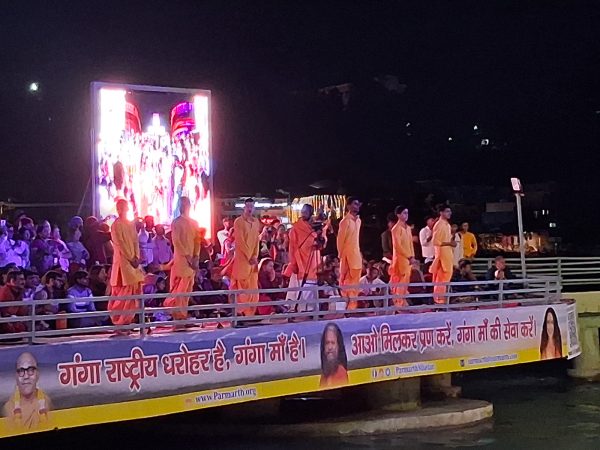
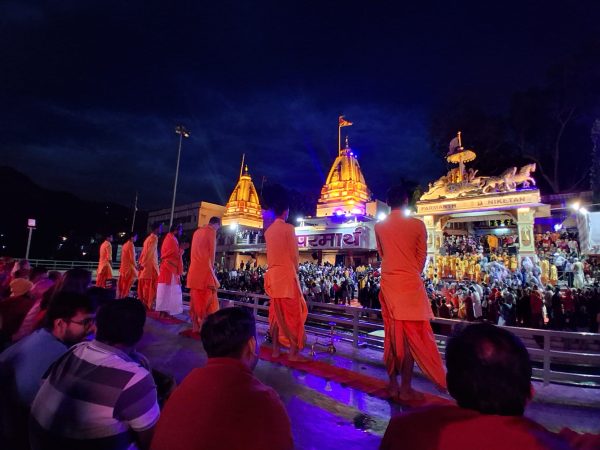
Equally unforgettable was the fire ceremony held right on the banks of the Ganges, at the foot of a large statue of Shiva. It is performed daily by the monks of the Parmarth Niketan Ashram. Thousands of participants from all cultures and religious paths were present.
At first, the sky was grey and overcast. When the monks – particularly a boy of perhaps 14 with an exceptionally clear and powerful voice – began to chant the mantras, the sky opened up and the golden light of the evening sun poured down upon them.
The whole ceremony lasted three hours and certainly had a trance-inducing quality. I experienced the River Ganges, revered as a goddess, with particular intensity. It stores energy, thoughts and prayers and carries them through India into the souls and bodies of the people. I must say, I experienced the river as a living being. (It is said that immersing oneself three times promotes enlightenment – so in I went, three times, completely submerged, even though it was cold – cheers – may it help!)
The conclusion of the camp, too, remains alive in the soul as an echo. A total of 142 seekers were initiated. They received Shaktipat, a mala and the little booklet Essentials of Osho Neo-Sannyas. The energy in the great hall was indescribable.
It’s truly a miracle that newcomers could experience Osho’s energy so deeply, even now that Osho has left his body. The stark and austere hall had turned into a temple, with Osho’s energy touching the hearts of hundreds of people. In my experience, this was possible because of the depth of meditation Arun has reached within himself. He does not teach or talk about meditation. Every breath he takes radiates it.
The only way to explain how an 83-year-old man is able to do this, with such energy and strength, is through devotion. Arun then travelled to Delhi and, the following day, gave a three-and-a-half-hour interview about Osho for Indian television. Straight afterwards he flew back to Osho Tapoban, stepped out of the car on arrival from the airport and guided us through the White Robe evening session.
What this man is doing for the future of sannyas and the spread of Osho’s vision to a humanity that is suffering so much is invaluable. (He founded eight ashrams and 102 active centres in Nepal alone! But that’s just by the by.)
Finally, it should be said: Rishikesh is a colourful, dusty place, full of power and the presence of many enlightened beings and meditators. There are places and moments of unfathomable stillness and presence (e.g. the Samadhi of Ma Anandamayi, an hour’s drive south of Rishikesh). But to be honest, there’s hardly a noisier place anywhere in the world than Rishikesh! Bollywood, with its colour and noise, paired with deep insight, devotion and love. This mixture is also somewhat exhausting…
Now I can take a breather at Osho Tapoban before heading to Lumbini, the birthplace of the Buddha, on 19 November. The next Mega Camp will take place there at the Osho Centre Jetban, now that the meditation hall – with a capacity for 1,000 people – has been completed.
Thank you, Arun, and your dedicated team, for this transformative experience and for your love and compassion.
Links
- Osho Jetban Spiritual Village: facebook.com/lumbiniosho
- Osho Tapoban Kathmandu: tapoban.com
Related article
- An (inner) travelogue – Samadhi about Lumbini in Nepal – the many Buddhist temples and Osho Jetban (January 2026)


Comments are closed.