

This month, Marga continues her exploration into Ra’s approach to the six lines in Human Design, and examines how the next three lines tend to shape relationships
The Fourth Line – The Opportunist: Relationships as the basis of opportunity
The Opportunist is associated with relationships, networks, friendship, and the movement of influence through established connections.
In Human Design, the fourth line is particularly connected with the people already present within an individual’s network. Opportunities emerge through these relationships rather than exclusively through impersonal encounters.
The term Opportunist should therefore be understood within its specific Human Design context, rather than automatically interpreted as someone who exploits others for personal gain.
Its relational significance lies in the importance of established bonds.
The importance of an existing connection
For the Opportunist, relationships can provide continuity, familiarity, and access to new possibilities.
Friendships, shared experiences, and trusted connections may play an important role in how the individual encounters opportunities and develops a sense of belonging.
This principle can also be explored in romantic relationships.
A connection may become meaningful through an existing friendship, a shared social environment, or a gradual development of trust. The relationship does not necessarily emerge as an isolated encounter between two individuals; it may develop within a wider network of shared connections.
The quality of these connections can matter because the network itself becomes part of the individual’s relational environment.
Trust and continuity
The fourth line raises a question about the relationship between trust and familiarity.
When people have known one another for a long time, they may possess a shared history that supports mutual understanding. They may also have developed expectations about each other’s behavior.
Continuity can strengthen a relationship, but familiarity does not automatically guarantee that the relationship remains healthy.
A long-standing bond may be valuable because it provides trust and stability. It can also offer a foundation from which both individuals continue to grow, explore new possibilities, and develop together.
This is an important distinction between valuing relationships and maintaining them simply out of habit.
The social dimension of relationships
For the fourth line, a relationship rarely exists in isolation from the wider social environment. Friendships, family connections, shared interests, and communities can all contribute to the development of intimacy and belonging.
The people surrounding a couple may become part of their shared experience, creating opportunities for collaboration, mutual support, and new encounters.
This social dimension can be particularly enriching when both partners feel comfortable within each other’s networks and are able to build connections together without losing their individual identities.
The fourth line reminds us that relationships are not only about the bond between two people, but also about the wider world they create and participate in together.
The Fifth Line – The Heretic: Projection, expectations, and practical solutions
The Heretic is associated with projection, practical influence, and the expectation that a person may be able to provide solutions to problems that affect others.
In Human Design, the fifth line occupies a distinctive position because other people may project particular qualities, capacities, or intentions onto it. These projections can create opportunities for influence, but they can also generate expectations that are difficult to satisfy.
This is particularly relevant to relationships because attraction does not always begin with an accurate understanding of the person who attracts it.
The person and the image
A partner may see The Heretic as someone capable of solving problems, providing stability, offering direction, or delivering something missing from their life.
Such expectations may be positive. They can produce admiration, attraction, and confidence in the relationship.
However, the image can become more important than the person.
The partner may respond not only to the Heretic’s actual behavior but also to what they believe that behavior promises.
This creates a distinction between being valued for one’s actual qualities and being valued for an imagined role.
The distinction is central to understanding the relational implications of the fifth line.
The appeal of the solution
The Heretic’s association with practical solutions adds another dimension.
People may be attracted to someone because they believe that person can resolve a difficulty or provide an answer to a problem.
In a relationship, this can create an unequal distribution of expectations.
One partner may gradually assume responsibility for resolving the other’s uncertainties, difficulties, or dissatisfaction. The relationship can become organized around the expectation that one person will continually provide answers.
This is not an inevitable outcome of the fifth line, but it is a useful relational possibility to investigate.
The question is whether the relationship permits both people to participate as individuals, rather than assigning one person the permanent role of problem-solver.
Projection and disappointment
Projection can create a gap between expectation and reality.
At the beginning of a relationship, the imagined qualities of another person may contribute to attraction. As the relationship develops, everyday experience reveals the limits of the original image.
The Heretic may then encounter disappointment or criticism because the other person expects something that was never realistically available.
The person who projected the expectation may also feel disappointed because the relationship does not deliver what they imagined it would.
This dynamic becomes particularly difficult when neither partner recognizes the distinction between the actual relationship and the expectations attached to it.
Reputation and responsibility
The fifth line’s association with projection also raises questions about reputation.
The way a person is perceived can influence the opportunities they receive, the responsibilities others assign to them, and the expectations they are expected to fulfil.
In an intimate relationship, this can mean that the partner’s image of the Heretic becomes a powerful influence on the relationship itself.
The challenge is to distinguish genuine responsibility from responsibility that arises because someone else has assigned a role.
The Sixth Line – The Role Model: Maturation, observation, and the development of perspective
The Role Model is associated with a long-term process of maturation and the development of perspective through experience.
In the traditional Human Design interpretation, the sixth line is described through three broad phases of life. The first phase, extending approximately to the Saturn return around age thirty, is associated with experimentation (functioning like a Third Line).
The second phase is commonly described as a period on the roof, characterized by observation and a more detached perspective. The third phase involves a return to fuller participation, with the possibility of embodying the Role Model theme.
These phases provide a framework for exploring relationships over time.
Experience and changing expectations
The sixth line’s relationship with experience is distinctive because its meaning develops across a longer arc.
Early experiences may involve experimentation, mistakes, disappointments, and the discovery of what does not work.
A later period of observation may allow the individual to reconsider previous experiences and develop a different perspective on relationships.
The emphasis gradually shifts from immediate participation towards understanding patterns and evaluating what has been learned.
Within this framework, the Role Model is not someone who necessarily knows how to build a perfect relationship. Rather, the archetype concerns the possibility that experience can contribute to a more considered way of living.
The roof and relational distance
The roof metaphor introduces an important question about intimacy.
Observation creates distance from immediate involvement. This distance may help a person recognize patterns that were difficult to see while immersed in an experience.
In relationships, however, distance can have different consequences.
It may allow a person to reflect before reacting. It may also create a gap between observing a relationship and actively participating in it.
A partner who seeks immediate engagement may find this difficult to understand. The Role Model may, in turn, experience pressure when expected to respond before having developed a clear perspective.
The relevant question is not whether observation is better than participation, but how the two can coexist.
The danger of idealization
The term Role Model can itself generate expectations.
Other people may assume that someone associated with maturity and perspective should behave consistently, understand every difficulty, or possess an unusually clear understanding of relationships.
Such expectations can create a burden.
The individual may be judged not simply on their actual behavior but on whether they conform to the ideal of wisdom that others associate with the role.
This resembles the projection dynamic associated with the fifth line, although the two lines have different traditional themes.
For the fifth line, the emphasis is on expectations and the projection of solutions. For the sixth, it is on maturation, perspective, and the possibility of becoming an example through experience.
Authenticity and imperfection
A meaningful interpretation of the Role Model must leave room for ordinary human complexity.
Maturity does not eliminate uncertainty, disagreement, or mistakes. Nor does the accumulation of experience guarantee that a person will always recognize what is happening in a relationship.
The value of experience lies in the possibility of developing perspective, reconsidering assumptions, and responding differently.
The sixth line therefore raises a question about authenticity: can a person allow themselves to remain human while others expect them to represent an ideal?
To be continued…
Get your Human Design chart sent for free to your inbox: humandesignapp.com
Marga offers Human Design readings:
you can contact her on whatsapp 0091 9503332918 or margajee@gmail.com
Related articles
- Marga’s whole series on Osho News: Human Design and Relationship
- Marga’s 12-article series: Three Channels a Month
- List of links to Gates and Channels
- Marga’s monthly Transits
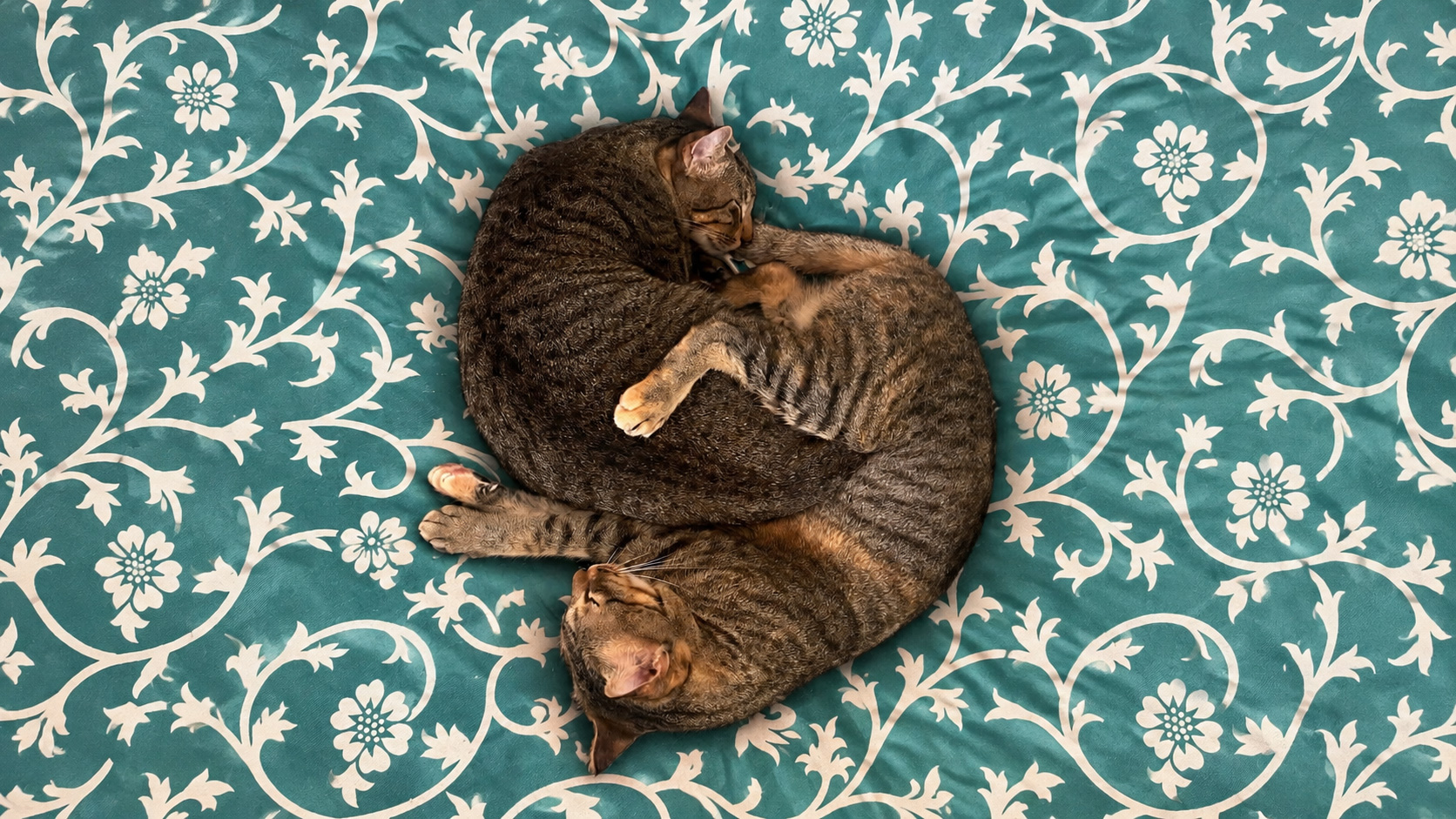
Featured image: photo by the author, background altered by the author using ChatGPT



Comments are closed.