

Photos by Fakeer from his hometown in Canada.
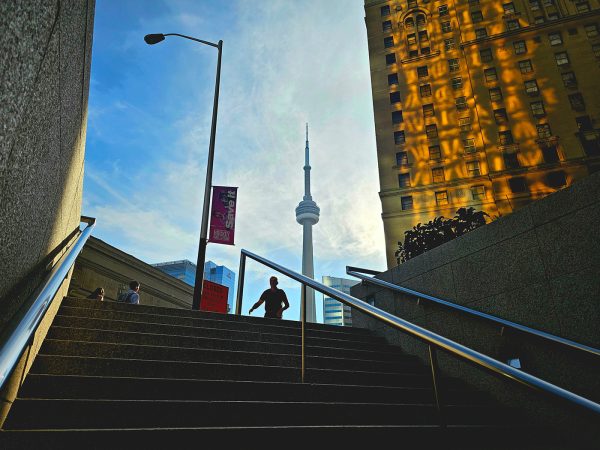
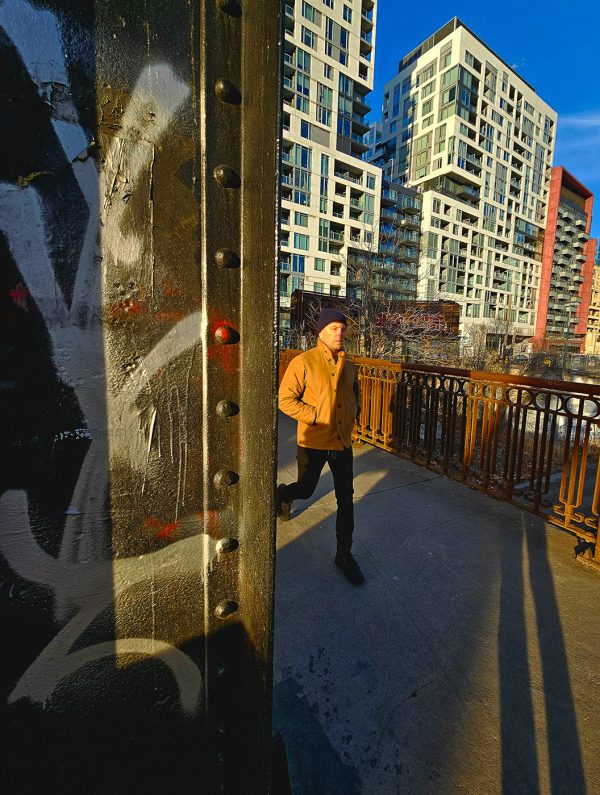
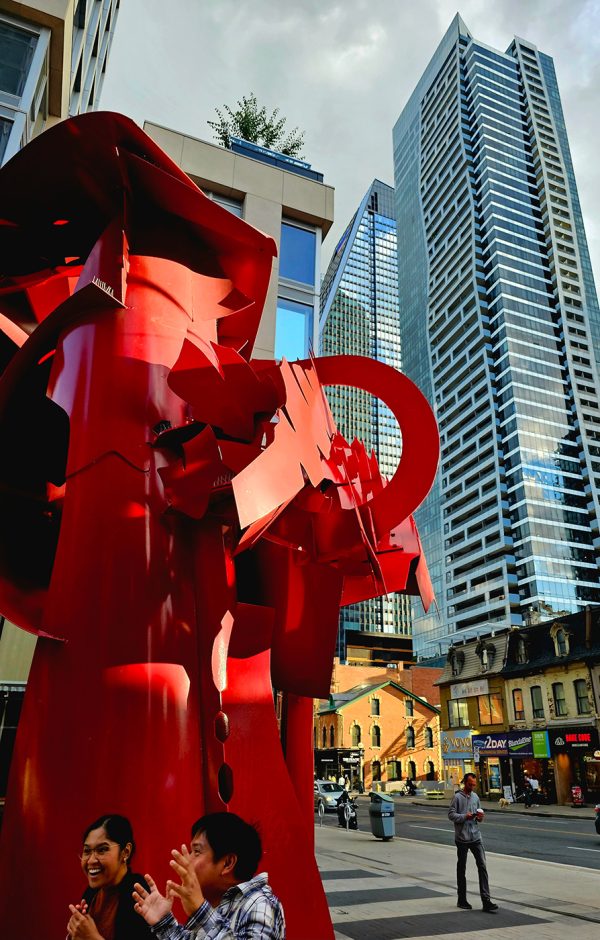

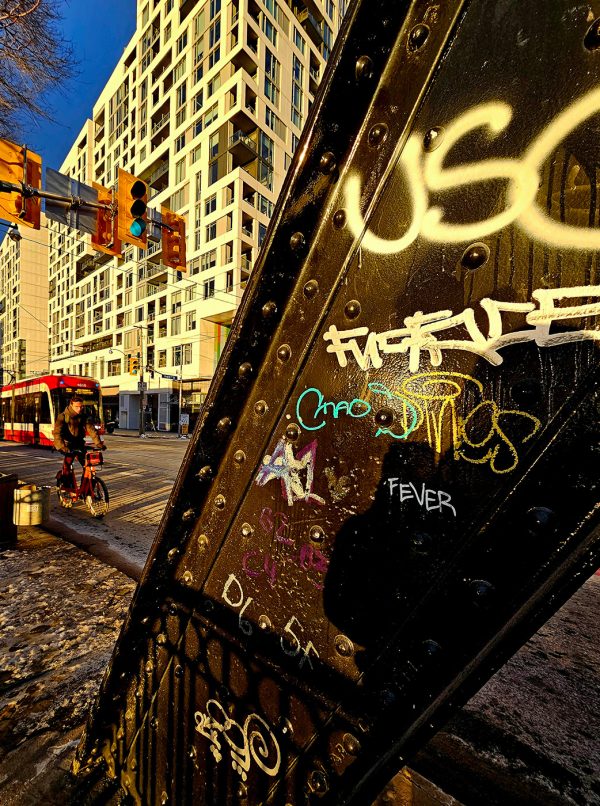
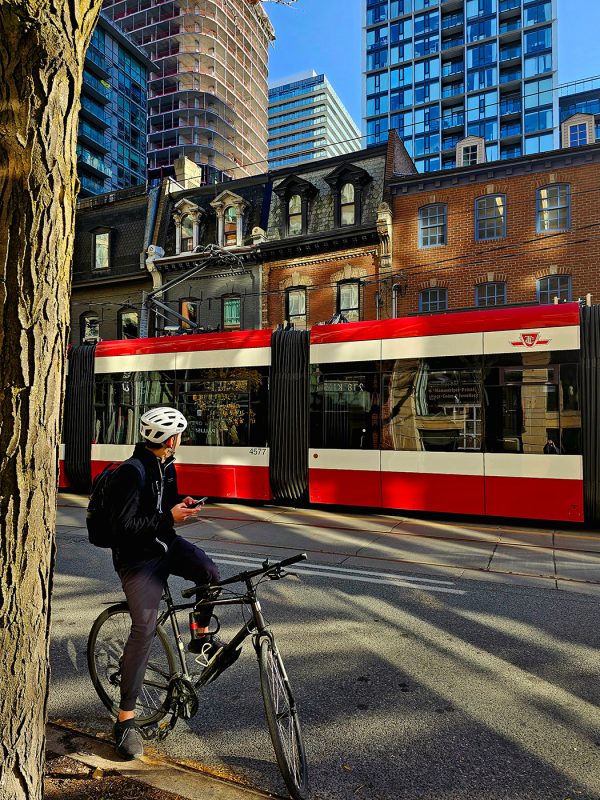

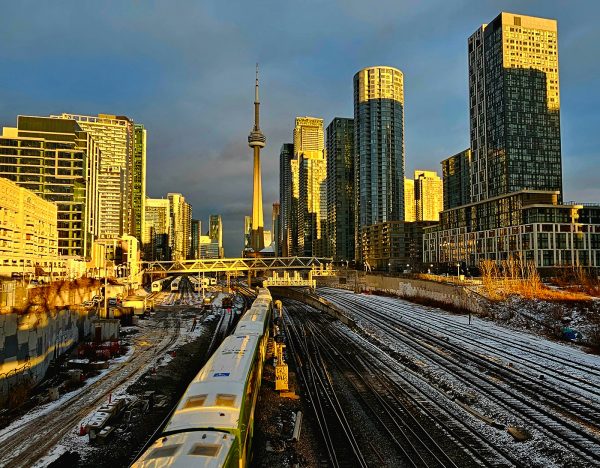
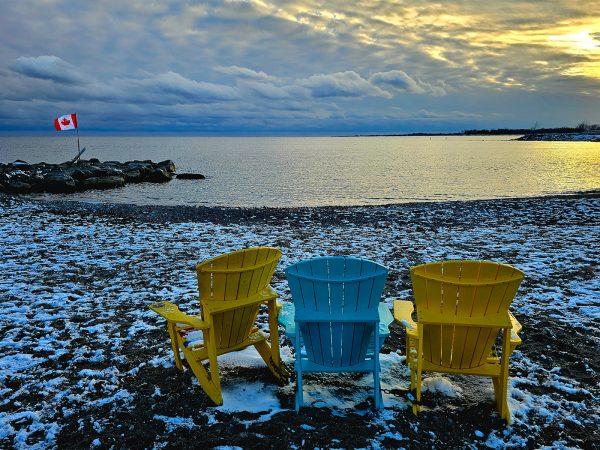
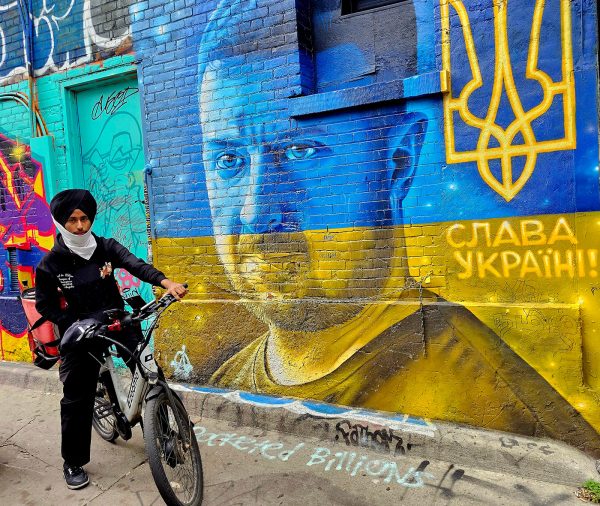
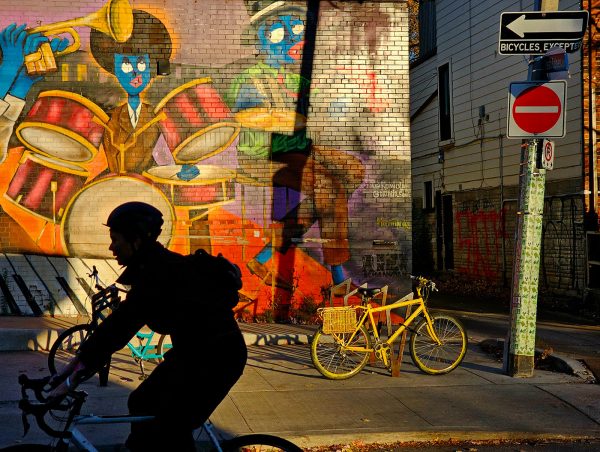
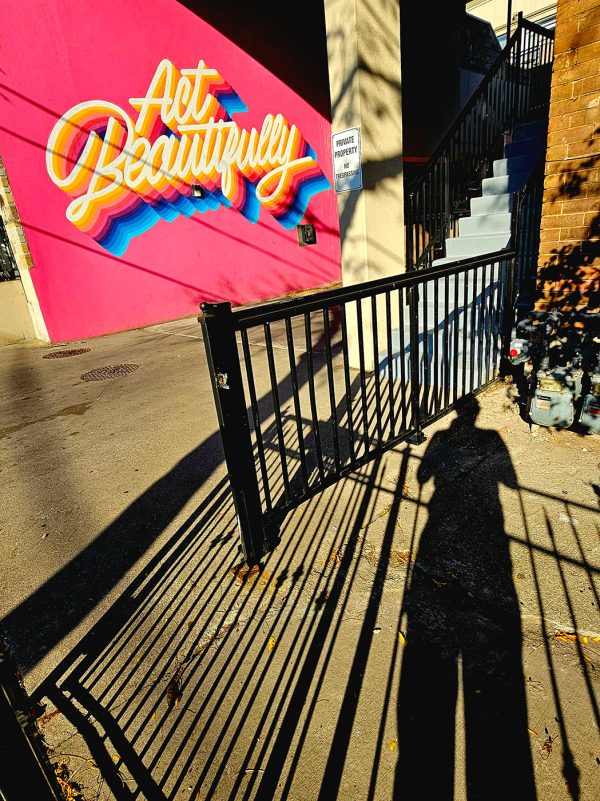
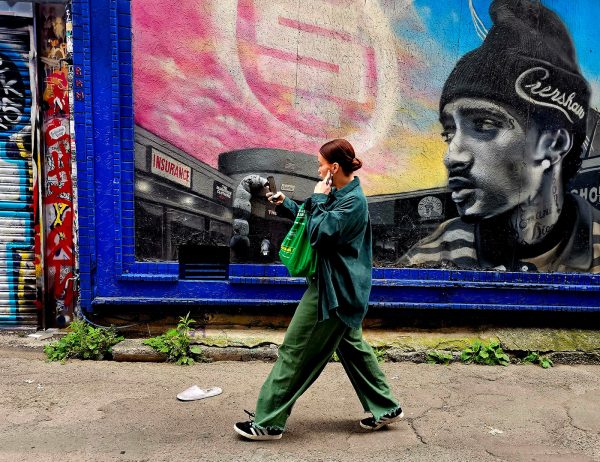
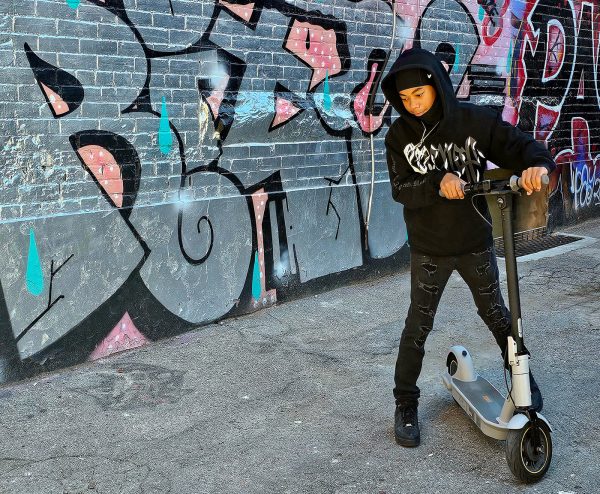
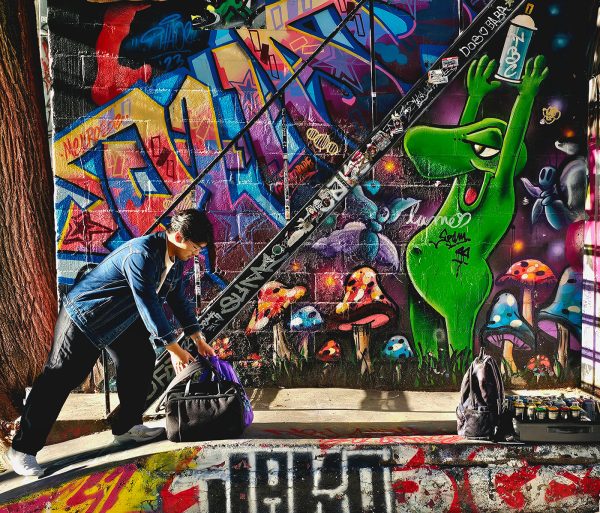
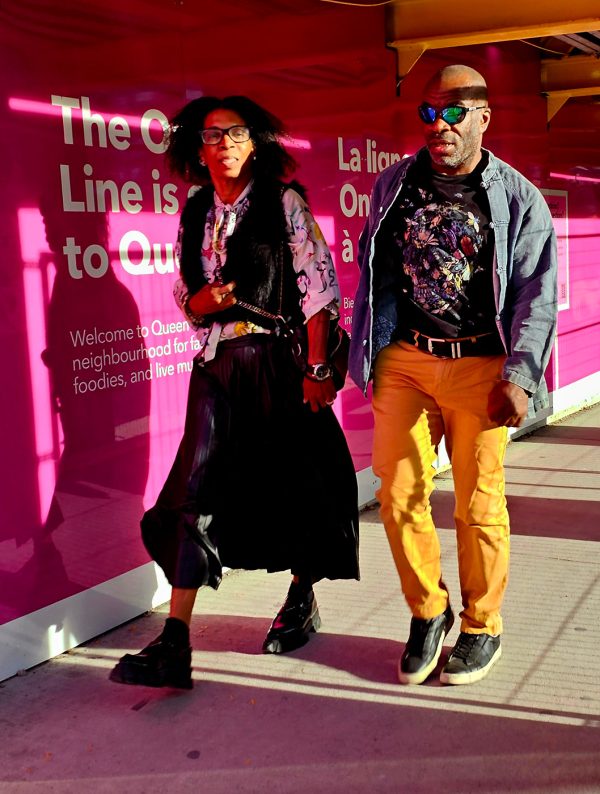
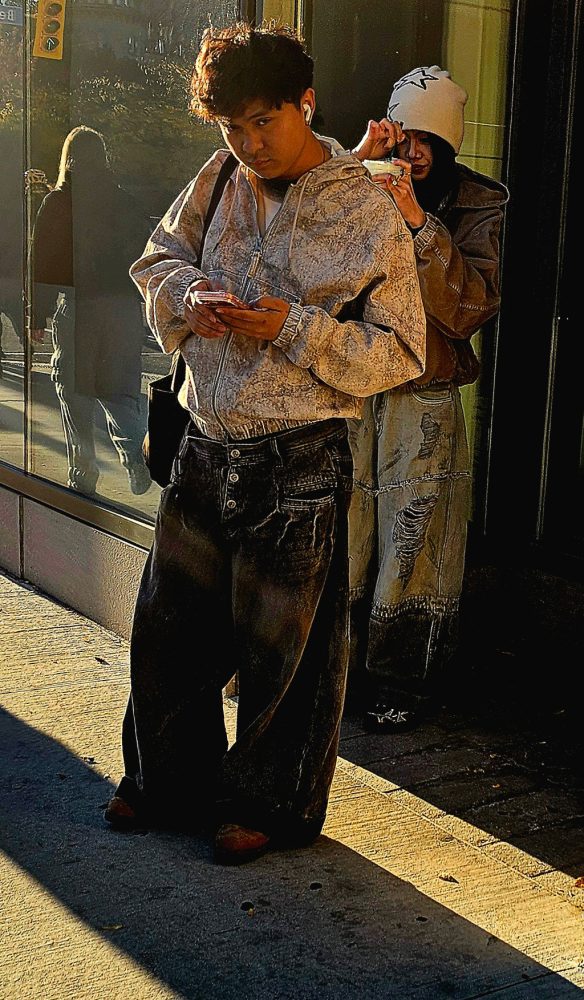
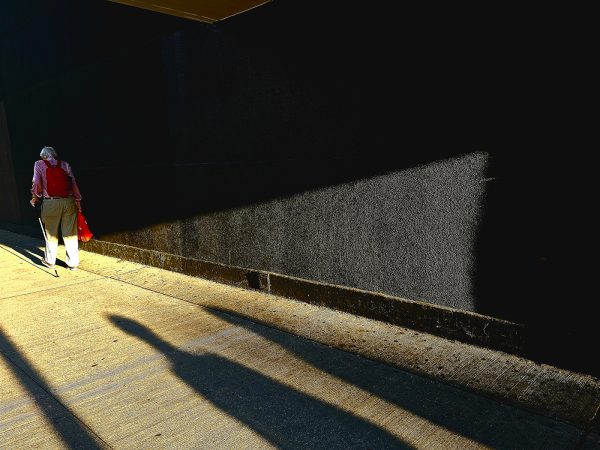
Toronto, the city of my birth, childhood and adolescence, has changed immensely in the last several decades. From a modestly large city of majority European roots, it has been transformed into a global city that draws new immigrants of various races, religions and national backgrounds. An overwhelmingly white city during my childhood, it has morphed into a multi-ethnic, multi-racial and multi-religious megalopolis.
The downtown of today is full of massive high-rises; and the push/pull between preserving the old and developing the new is an ongoing battle. Giant condo buildings envelop Victorian houses and commercial buildings. New subways and aboveground transportation networks take some of the pressure off the roads while new bike lanes filled with thousands of South Asian food delivery guys on scooters and e-bikes clog them further.
Vibrant and thriving neighborhoods dot downtown, but have become prohibitively expensive for anyone who struggles financially. Chinatown, Koreatown, Little Italy, Little Portugal, The Annex (my neighborhood) and Victorian Cabbagetown (so named because the 19th-century working-class denizens of the area would grow cabbages in their yards) give color and variety to a downtown that would otherwise be a sterile conglomeration of giant financial and condo buildings.
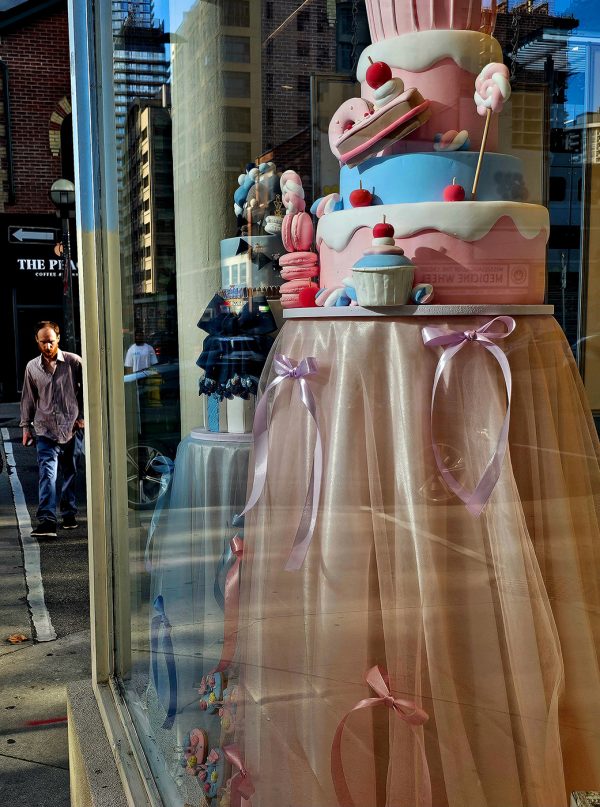
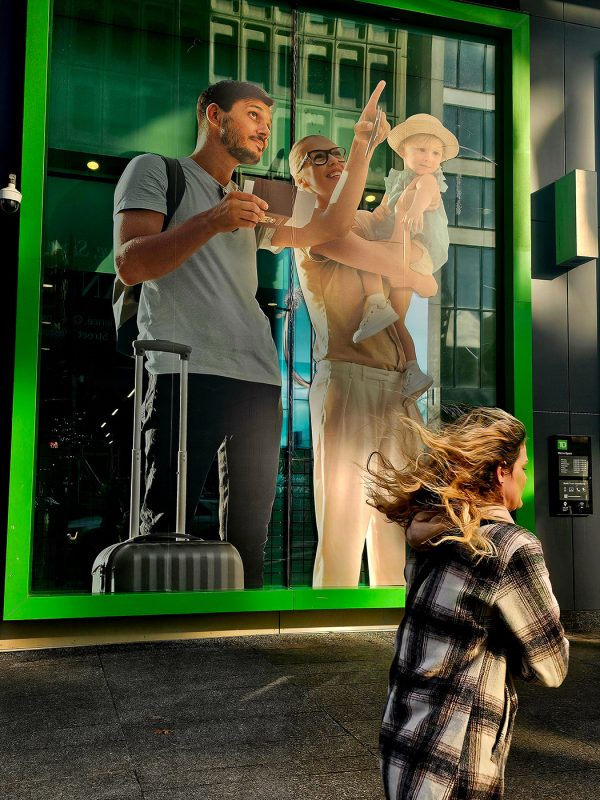
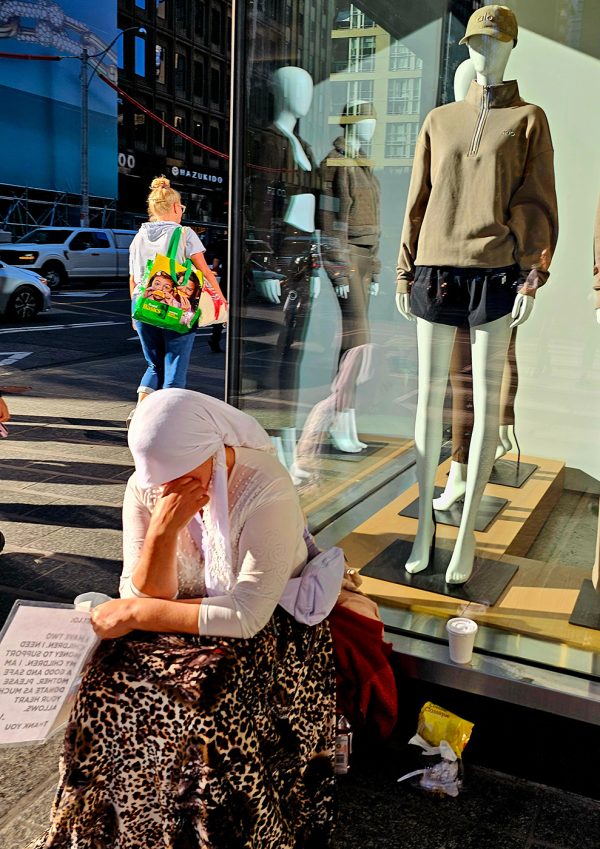
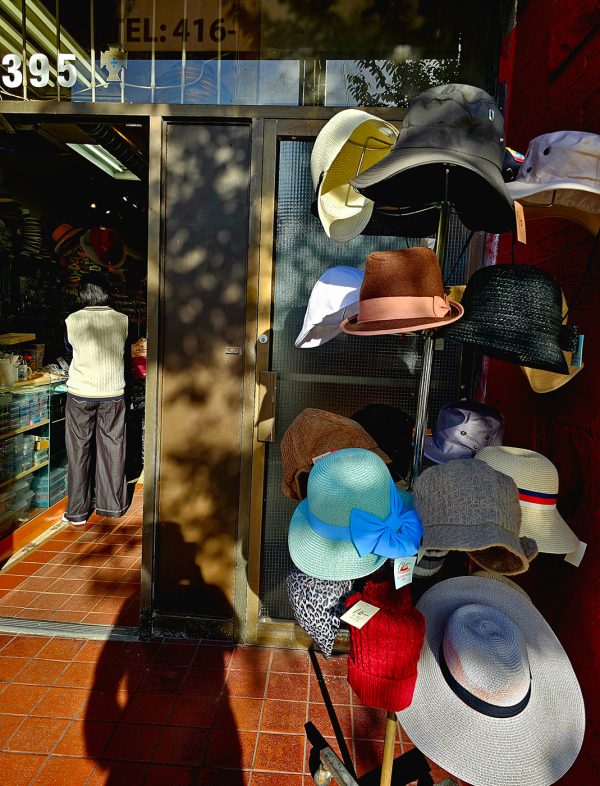
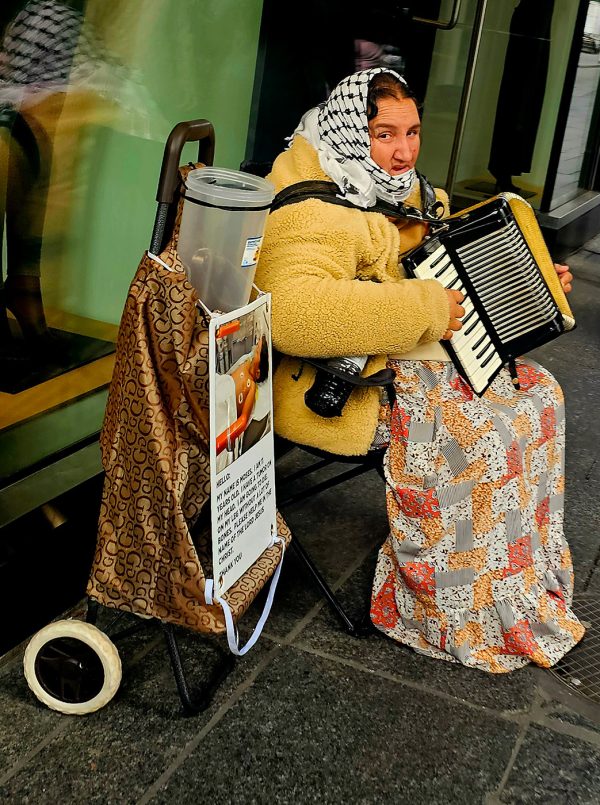
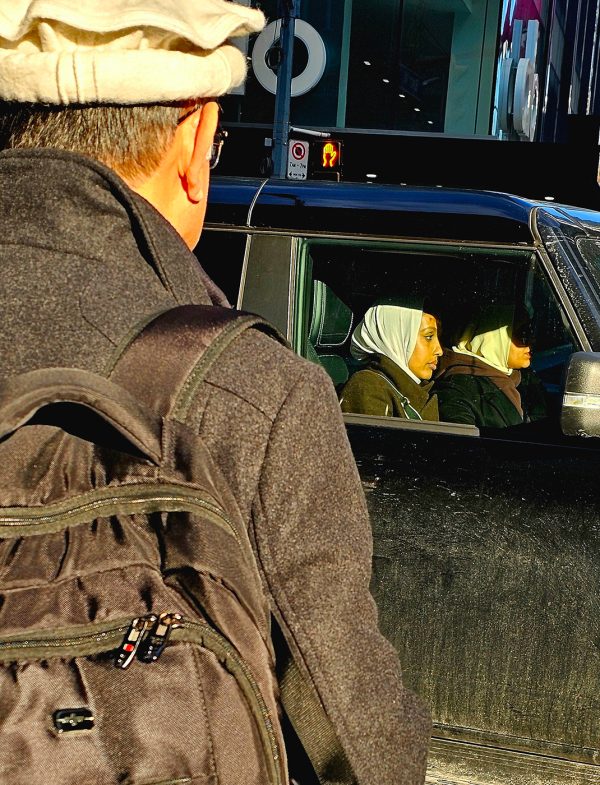
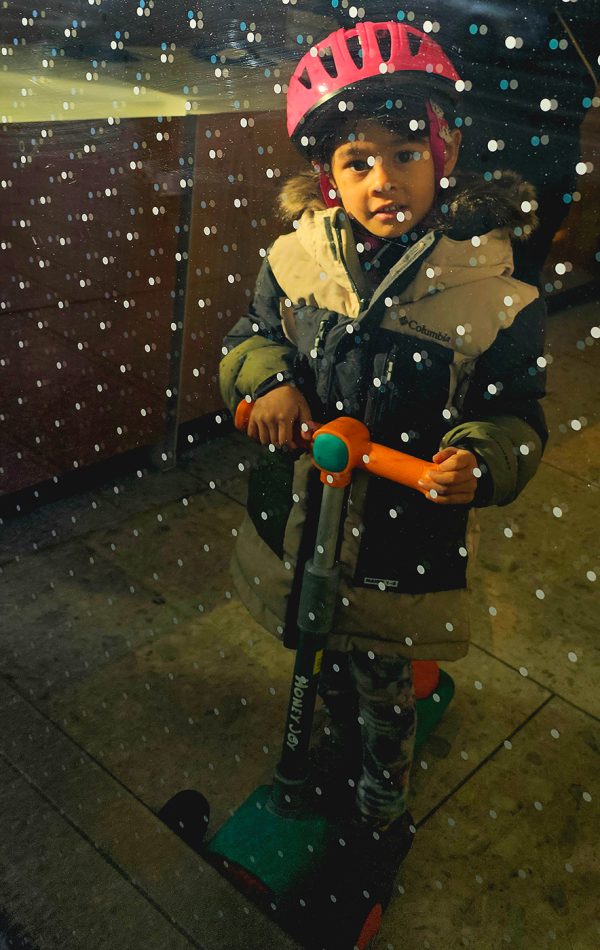
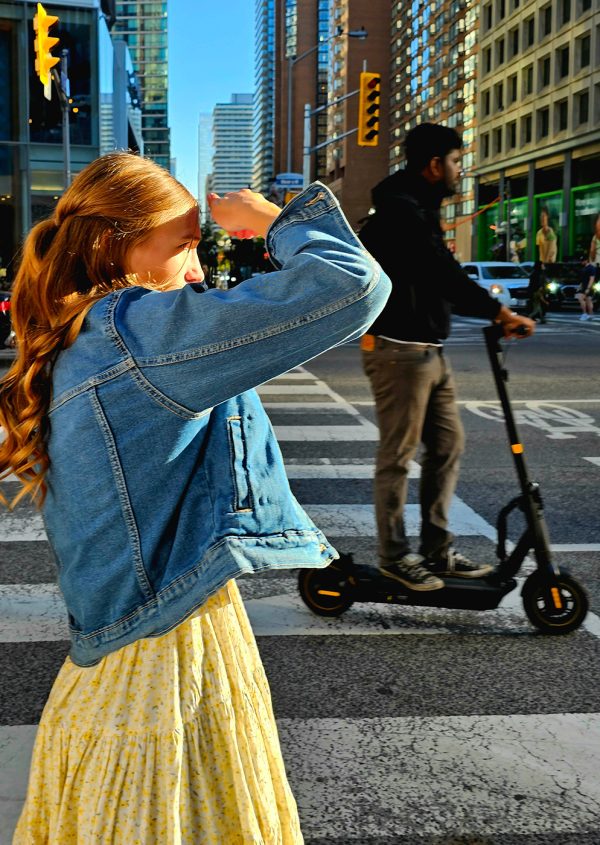
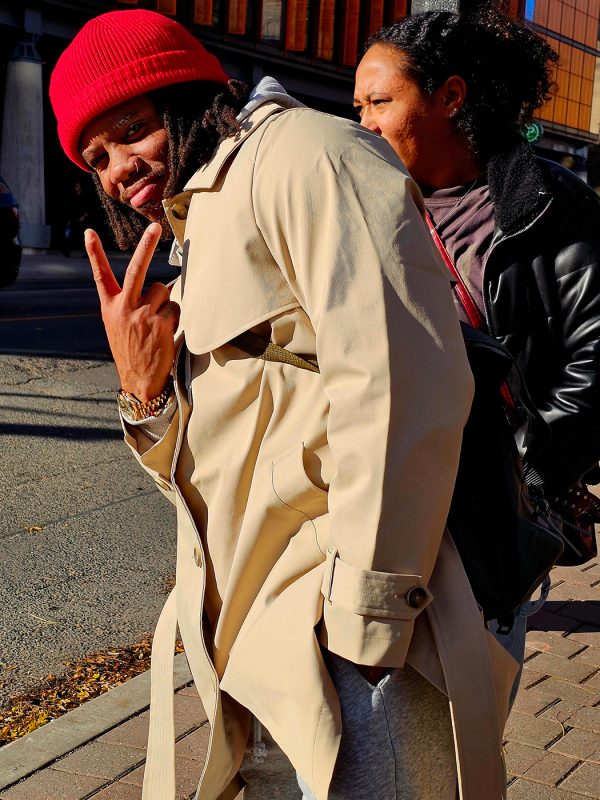
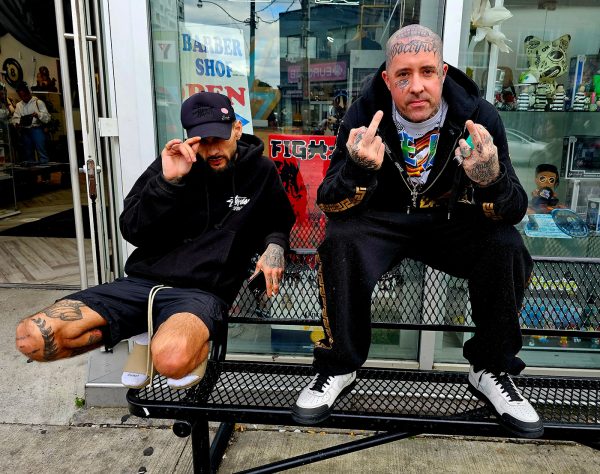
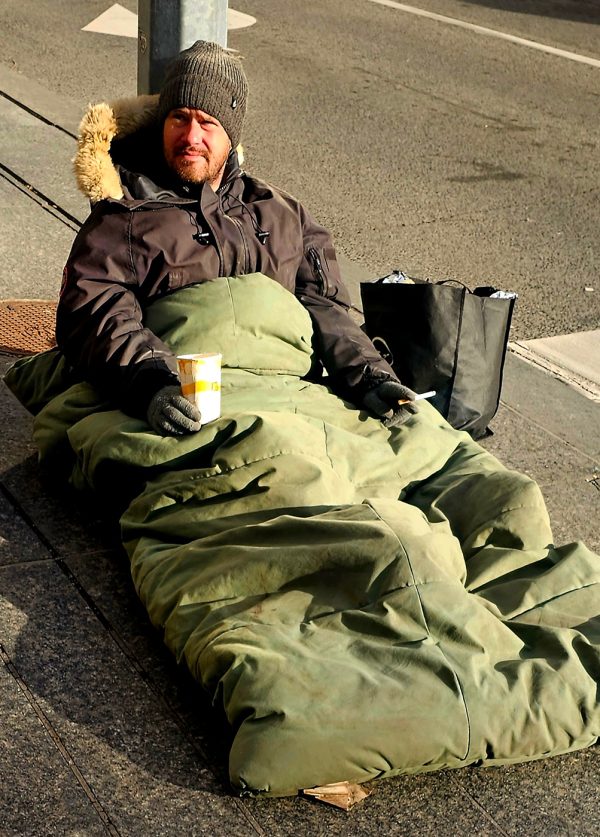
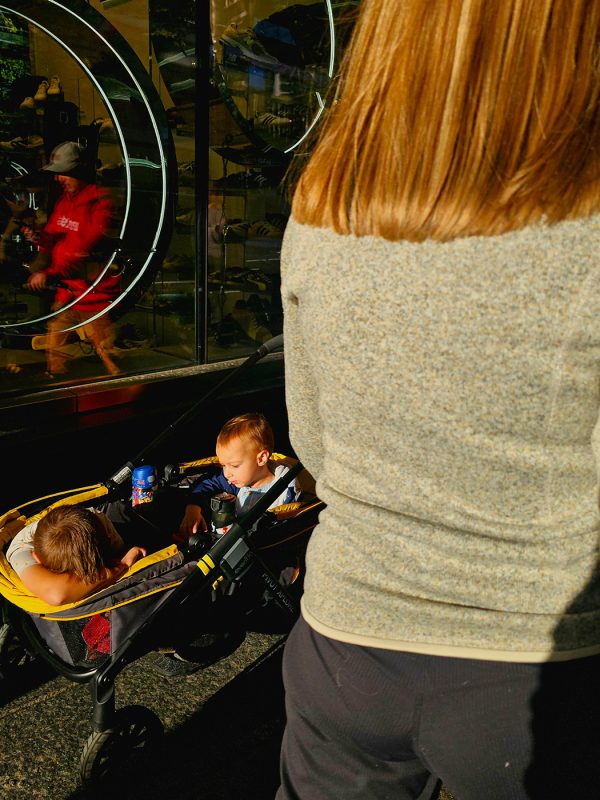
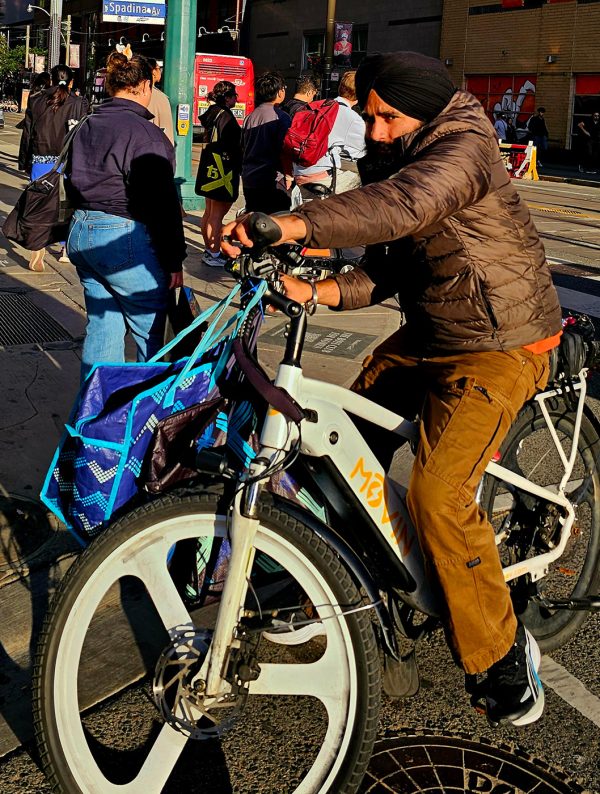
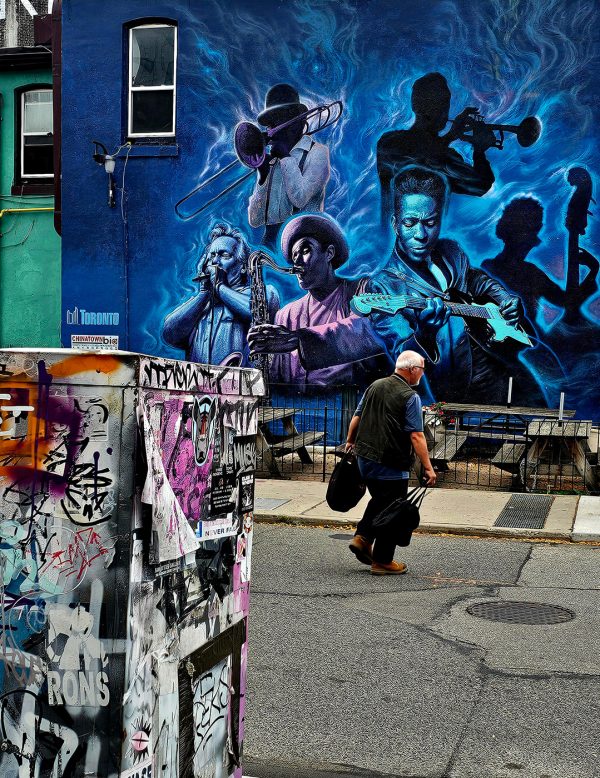
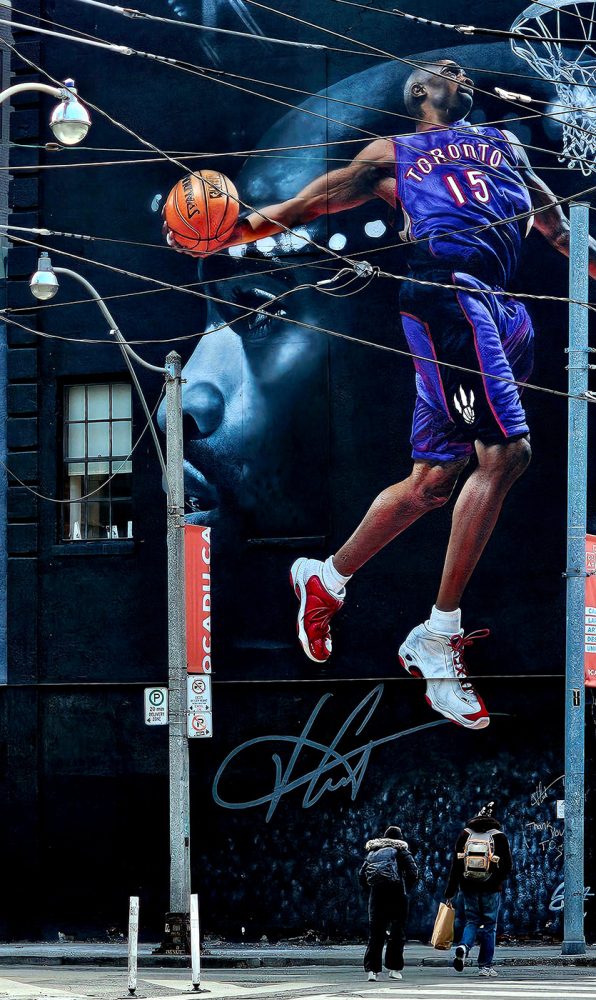
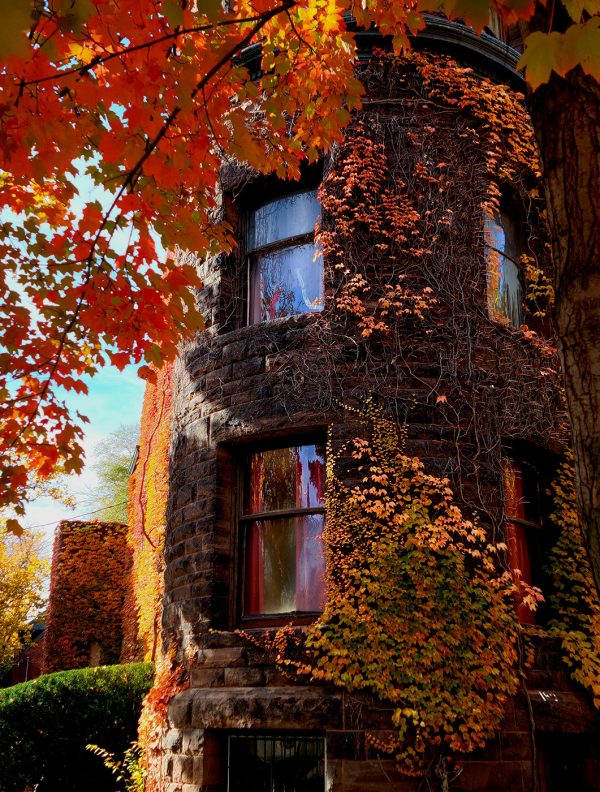
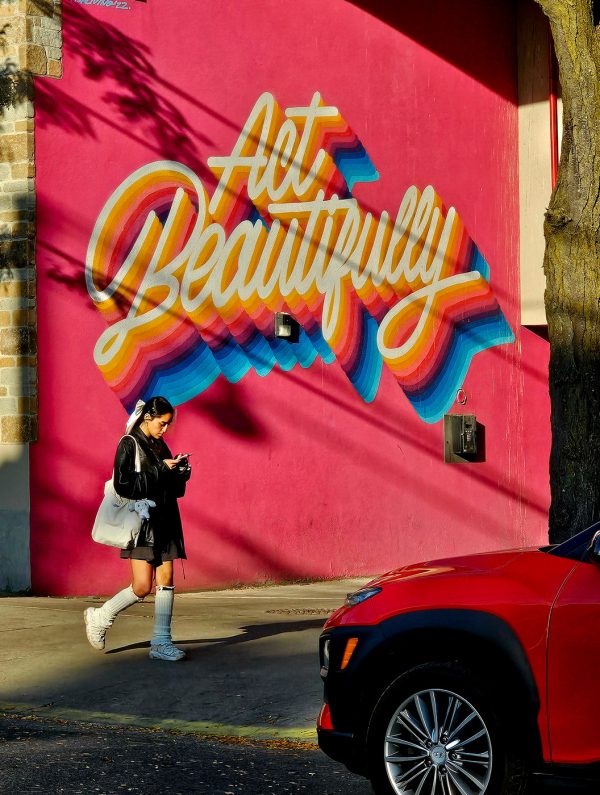
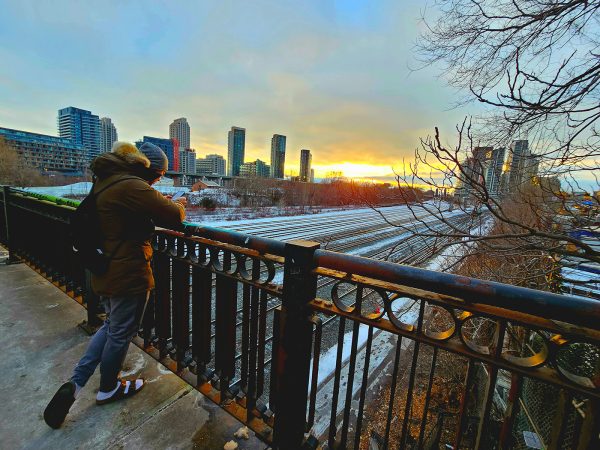
On the sidewalks people of every color, ethnicity and religious background stream past, speaking dozens of languages. Downtown Toronto is a very walkable city and, with cellphone in hand, I join the moving throngs with no particular destination in mind.
The photographer’s Golden Hour is my time for shooting, and I become particularly receptive to the visual the more the light changes towards the red and orange on the colour chart.
As a street photographer, being as anonymous as possible is very helpful, and shooting with a phone rather than a camera is essential for my purposes. In spite of my efforts to hide what I’m doing I have occasionally been found out. Twice I’ve been verbally confronted and once had a sugary drink thrown in my face by a woman who may or not have been homeless – which is a growing problem in the city. Strangely I was barely disturbed and took it as “the price for doing business”.
To aid in keeping my activities hidden I’ve developed a technique that allows me to keep the camera at waist height, which removes the need to look at the screen. I never know exactly what the results will be and sometimes I cut off parts of people’s heads or torsos – but it’s all part of the fun.
On some level I’m a legal thief “stealing” peoples’ images. The great advantage of this way of shooting – where people don’t know they’re being photographed – is that they remain unselfconscious and “themselves”.
I love the process of street shooting, never knowing what’s going to present itself to the field of my awareness. Sometimes I’ll look for a spot where the light and composition present a backdrop that will support a successful shot. Once found, I’ll just wait for a figure to enter the frame, and click away. At other times I’ll wander the streets and shoot the people in movement walking towards me.
The sophistication of today’s cellphone cameras allows me to shoot in almost any situation and with minimal effort. I can use the built-in software program to correct and enhance the image. Having shot for decades in the analog era and toiled for countless hours in darkrooms to get acceptable results, the ease of getting outcomes I’m happy with is a blessing.
Please enjoy this collection of my work.
Related article
- The golden hour in Morocco – Traveling with Fakeer and his camera from Marrakesh towards the Sahara


Comments are closed.