

Excerpted from the Introduction to Gopal’s new book, Facing The Inner Void: A Return to The Inner Light
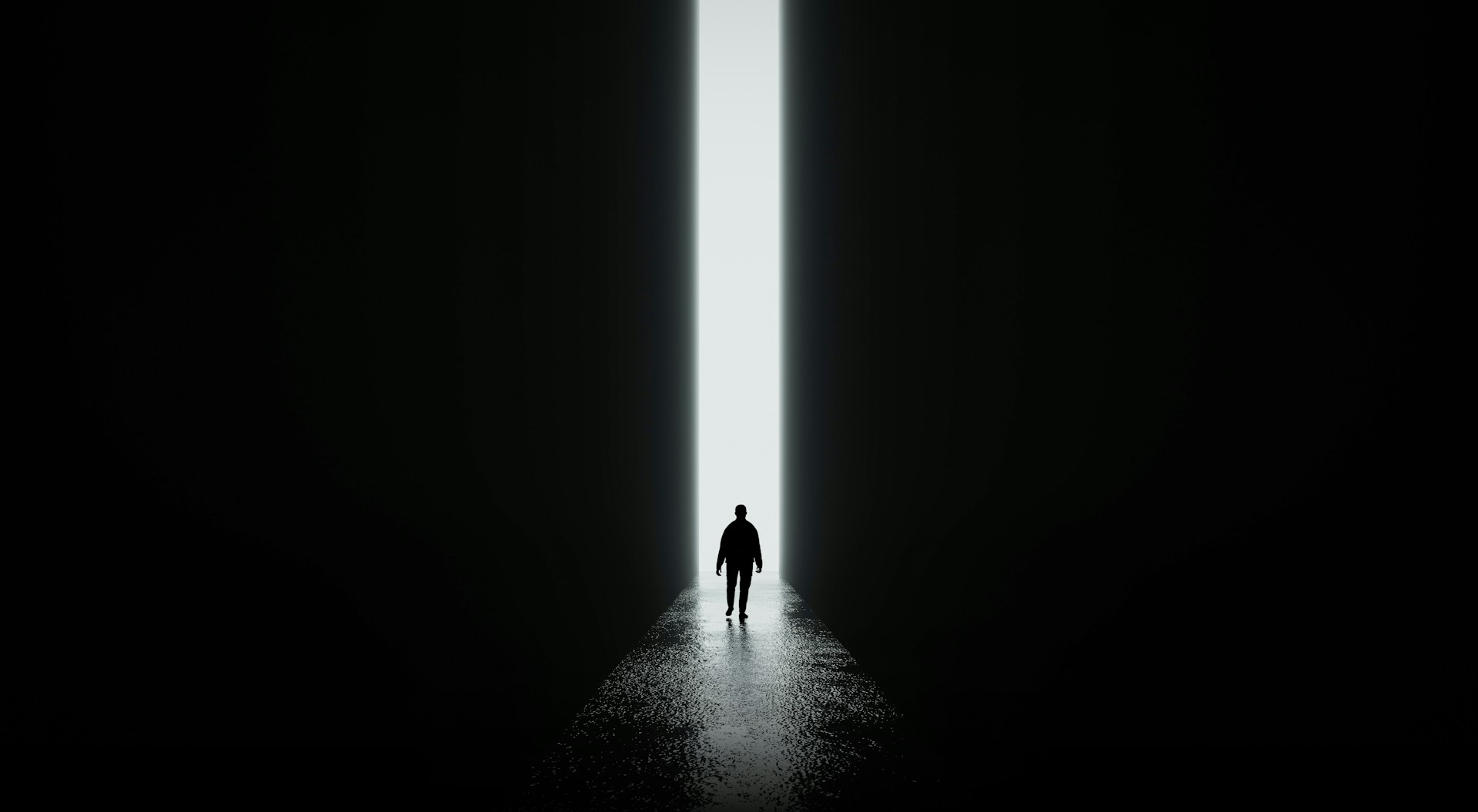
The Black Hole Within
As we are moving further through time, have you noticed how difficult it has become to sit alone and be with yourself? A quiet room feels too empty. We are not used to simply sitting and doing nothing. We feel the need to move, to check something, to fill the moment. Have you noticed what happens when you are in a quiet space – no phone, no TV, no music, no conversation? At first it may feel peaceful. But after a short time, something begins to change. A subtle feeling starts to rise. It is not very clear, but it is there. A kind of restlessness.
You may start to look around. You may think, “What should I do now?” Your hand may reach for your phone without thinking. You check messages, even if there are none. You open apps and close them again shortly. Not because you need something, but because you do not want to feel that quiet space inside.
Or you go to the kitchen. You open the fridge. You take something to eat or drink. Not because you are hungry. Not because your body needs it. But because it gives you something to do. It fills the moment. It distracts you. Some people turn on the TV, just for background noise. Some call a friend, not to share something important, but just to avoid being alone. Some keep themselves busy all day, so they never have to face that inner feeling. A person feels this emptiness and begins to turn to money, thinking, “If I have more, I will feel complete.”
Like the black hole, this inner void makes it difficult to be at peace with yourself. The more we feed it from the outside, the more it seems to want. We may feel satisfied for a short time. Then the feeling fades, and the emptiness returns. So we chase the next thing. This cycle continues. This is how we try to escape the inner void. We do not want to feel it. We do not understand it. So we keep moving, keep doing, keep filling every empty space. But the more we run from it, the stronger it becomes. The restlessness grows. It follows us, even in the middle of activity. Even when we are with others, something inside is still not at ease.
It feels like, inside each of us, there is a kind of “black hole.” There is an inner space – a void similar to a black hole in space where gravity is so strong that nothing can escape it. It pulls everything toward itself. There is a center, a deep unknown point, where everything disappears. It is a feeling of emptiness. At times, we may not notice it. But at other times, especially in quiet moments, it becomes clear. A person may have a good job, a family, success, and still feel something is missing. There is a space inside that is not filled.
A Hungry Ghost
In a Buddhist tradition, this void is symbolized as a hungry ghost. It represents a state of intense inner craving and dissatisfaction. It is often described as a creature with a huge empty stomach and a very thin neck, symbolizing how it can never feel full no matter how much it consumes. It is a feeling like when desire, attachment, or emotional hunger dominates the mind. In this state, a person keeps searching for pleasure, approval, or comfort, yet nothing truly satisfies, and the sense of emptiness continues.
How the Void Affects Us
Because we do not fully understand this inner and outer void, we try to manage it in different ways. We give it names. We call it depression, anxiety disorder, addiction, insomnia, or ADHD. We try to treat the symptoms so we can continue functioning in our daily life. Many people turn to medications to calm the mind, reduce the tension, or make the feeling more tolerable. This is not to dismiss or undermine mental health conditions. But it is also important to look at them from another angle – one that asks what lies beneath the symptoms, and what the void may be trying to reveal.
In order to avoid the void, some may try to escape or numb themselves through constant work, alcohol, drugs, sex, food, entertainment, or endless distraction. In many cases, addiction is not only about pleasure – it is an attempt to escape the inner emptiness and restlessness within. These things may help for a short time. They may bring temporary relief or distraction. But often, once the effect fades and the silence returns, the deeper emptiness is still there, waiting beneath the surface.
People find it hard to relax, even when they have time. Sleep becomes difficult. It is getting more difficult to have a restful sleep. The mind doesn’t really slow down, and there is a constant sense of tension in the background. Even during quiet moments, there is always something to think or worry about. At night, sleep doesn’t come easily. We may lie in bed for a while, waiting for it to happen restlessly. When sleep finally comes, it is light and broken. People wake up feeling as if the rest was not quite enough. Over time, this starts to affect how they feel during the day, leaving them a little less steady, a little more tired than they expect.
This void is not only a personal problem. It does not stay inside one person. It shows itself in our relationships, in our families, in our friendships, and in our communities. We can see it when two people sit together but are not really present with each other. We can see it when conversations stay on the surface, and something deeper is missing. We can see it when people feel lonely, even when they are not alone.
Breakdown or a Breakthrough
For some people, this sense of meaninglessness may never be questioned. They learn to function in society, follow the expected path, and fill the inner void with material things and comfort. Life goes on, and on the surface, everything may seem fine. They stay busy, distracted, and satisfied enough not to look deeper.
But for others, there comes a point where this no longer works. The pressure builds up, and it can lead to a kind of breakdown. This may show up in physical or mental health, career struggles, relationships, or financial problems. Something begins to fall apart, and it becomes harder to ignore what is happening inside.
Then there are those who reach a different kind of point. Instead of only a breakdown, it becomes a breakthrough. Their breaking down becomes a breakthrough in their lives. They can no longer escape the inner and outer emptiness. It becomes too clear, too strong to ignore. And instead of running from it, they begin to face it.
However, when we begin to see this void clearly and consciously, something starts to change. The emptiness is no longer something to run from. It becomes something to understand, to move through, and to accept. Slowly, the void becomes part of our path. Not something to fight, but something to work with. Something we grow through. And over time, what once felt empty begins to open into something deeper. The void is no longer an enemy. It becomes a doorway.
The Purpose of This Book
The intention of this book is to explore the layers of our existence that give rise to the void within us. It is not about offering quick answers or simple solutions. It is an invitation to pause, to look closely, and to observe how we live, how we think, and how we understand ourselves – both within and in the context of the world around us.
Much of our life moves without reflection. We follow routines, respond to pressures, and accept things as they are. But beneath this movement, there are questions that remain unanswered. There are feelings we do not fully face. This book turns toward those areas, not to judge them, but to understand them. As you move through these pages, you may begin to recognize parts of your own life. Moments of restlessness. A quiet sense that something is missing. A search for meaning that has no clear direction. These are not problems to fix quickly. They are signs pointing to something deeper.
With greater awareness, our view begins to change. We no longer see a glass as half empty. We begin to see the void full – not full of things, but full of space, awareness, creativity, beauty, and possibility. Slowly, we are no longer lost in the darkness of the black hole. We begin to bring light into it. What once felt empty and heavy starts to open. New possibilities appear. A deeper sense of meaning, clarity, and connection begins to grow.
Reflective Journal: Introduction
The Void Within
This reflective journal is designed to help you pause, observe, and reflect on the themes explored. Take your time with each question. There are no right or wrong answers. The purpose is not to judge yourself, but to become more aware of your inner life.
· When do you feel the inner void the most?
· What do you usually do to escape feelings of emptiness or restlessness?
· What distractions do you rely on the most?
· How do you feel when you sit alone in silence?
· What kinds of things have you done in the past that helped you face the void within?
· What can bring you a deeper sense of peace, meaning, or connection?
· What part of this chapter touched you the most?
· What truth about yourself are you beginning to see?
Bring awareness into your daily life and observe the void within yourself through the lens of this introduction. Do not judge it or try to escape it. Simply witness your patterns, feelings, behaviors, and the ways you try to fill the emptiness within. At the same time, observe what brings more meaning, awareness, peace, and authentic connection into your life. Through awareness, we begin to understand the void differently.
Featured image credit Imkara Visual
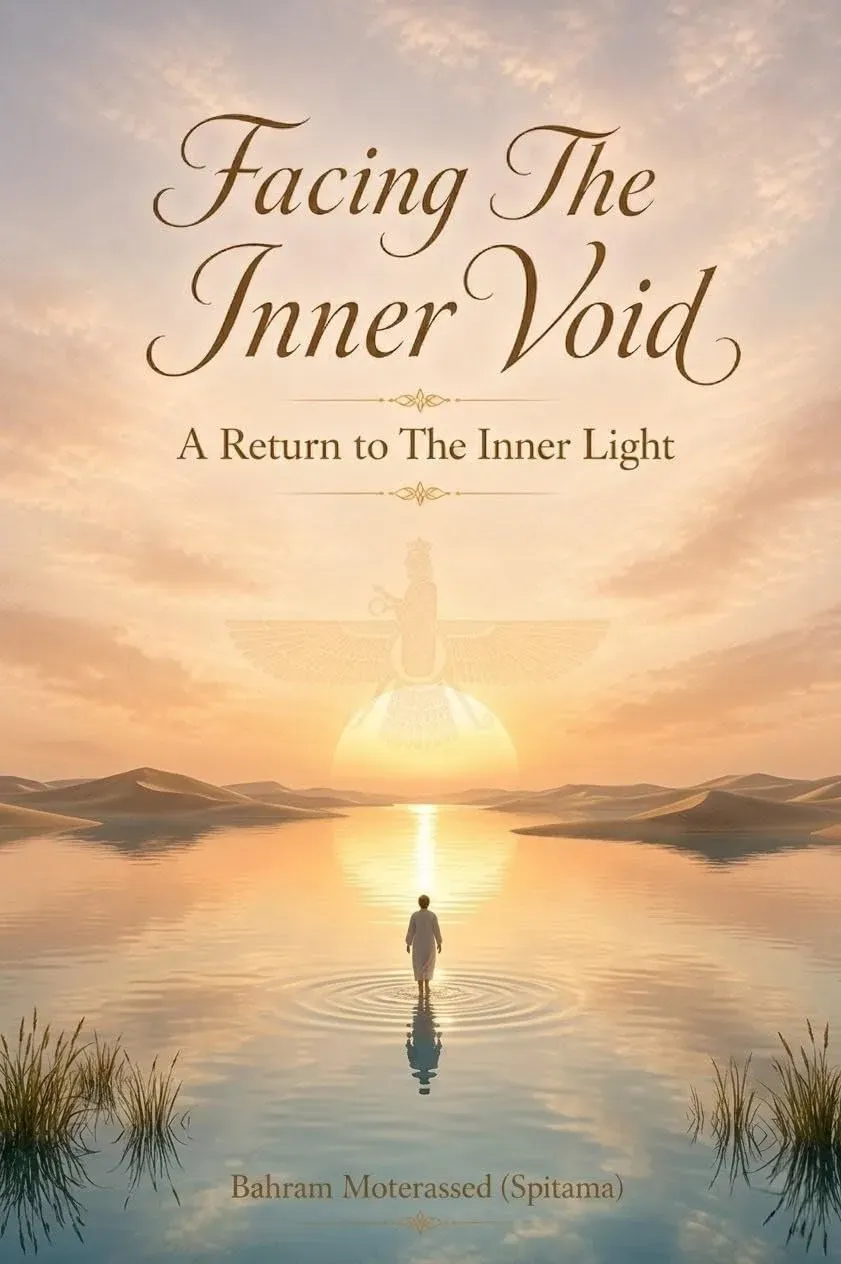 Facing The Inner Void
A Return to The Inner Light
by Bahram Moterassed (Spitama) aka Gopal
zpublication.org/books
ISBN-13 : 979-8196358999
This book is available for purchase on your local Amazon site in eBook, paperback, and hardcover formats
Related articles
- Facing The Inner Void: A Return to The Inner Light – presentation
- More books by this author discussed on Osho News: oshonews.com


Comments are closed.