

Subhuti reviews two authors: one who stays with Osho, and one who leaves him
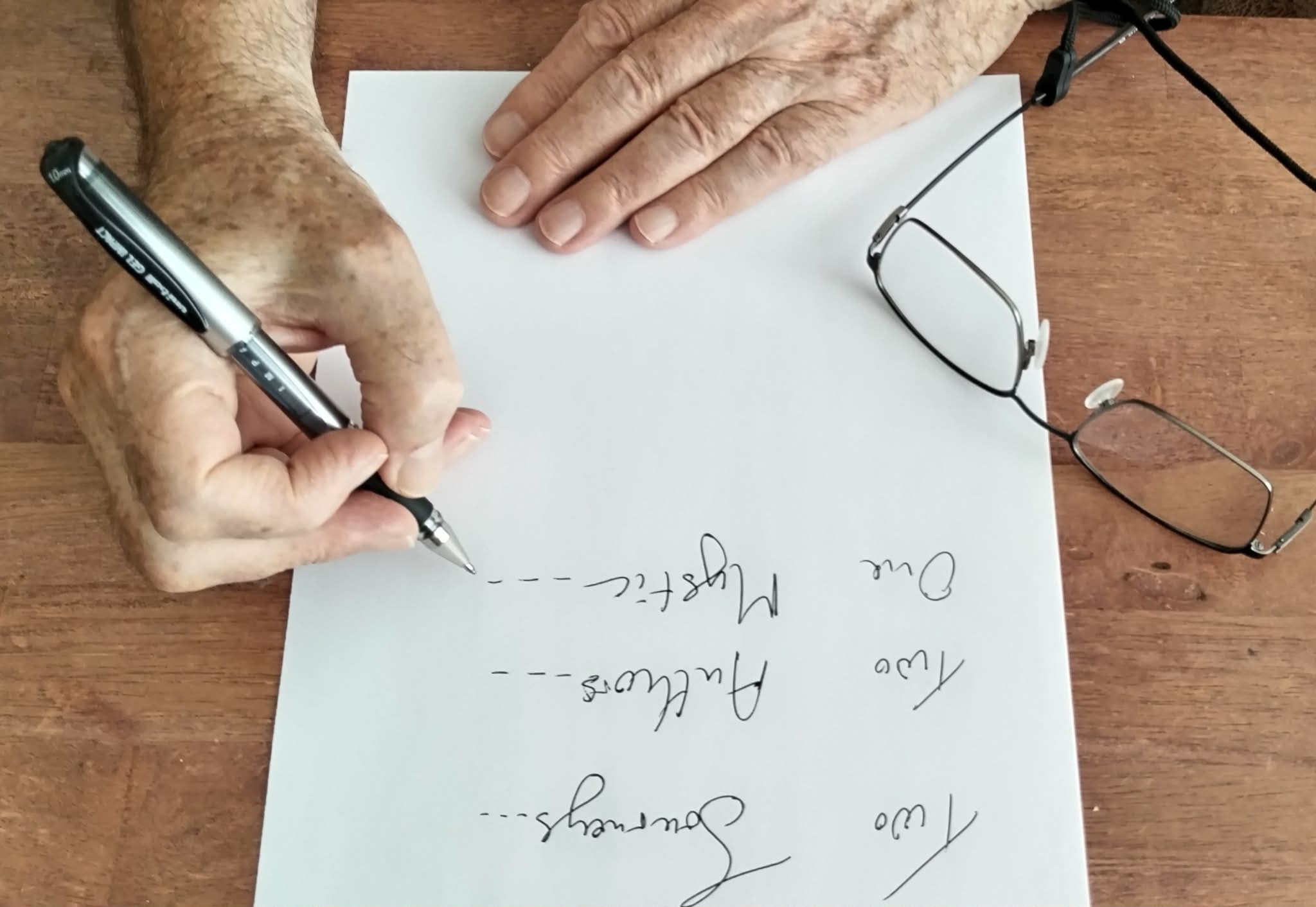
Two books have landed in my inbox, at more or less the same time:
One is called Journeys Home, by Swami Paragyan, an Italian sannyasin, who describes his spiritual journey with Osho.
The other is called A Slice of Orange, by Nicola Ranson, a former sannyasin. She also describes her journey with Osho.
They go through similar experiences: rebelling against their parents, searching for personal authenticity, falling in love with India, discovering Shree Rajneesh Ashram, taking sannyas, and living in Pune and on the Oregon Ranch.
In fact, there is only one real difference: Paragyan, as his name suggests, is still a sannyasin and devotee of Osho. Nicola, feeling disillusioned after the collapse of the Ranch, is no longer a sannyasin and has dropped her connection with Osho.
Both books are well written and filled with heartfelt honesty, as well as a longing to share their personal experiences with as wide an audience as possible.
Both writers are brilliant at describing the pain of fighting with their parents, who love them, but cannot understand their need to abandon conventional lifestyles.
Paragyan is the older of these two authors. Born in 1950, he was a teenager when he participated in the ‘Roar of 68’, the Italian student revolution, and 26 when he took the overland hippie trail to Afghanistan and India.
He arrived in Pune in 1977. In the ashram, he worked as a night guard, a toilet cleaner, and in the kitchen. Four years later, in 1981, after Sheela bought the Big Muddy Ranch, he was invited to Oregon as a handyman to help with intensive construction projects.
Nicola, five years younger, met sannyasins while studying at Bristol University in England and arrived in Pune in 1979. Her book includes more in-depth tales about sex, relationships, and her struggles with possessiveness, jealousy and insecurity. She, too, went to the Ranch and became a resident.
The key moment for both came in 1985, with the explosive end of the Ranch: Sheela left, all kinds of crimes were exposed, then Osho was arrested, tried, and deported. The Ranch collapsed and sannyasins scattered across the globe.
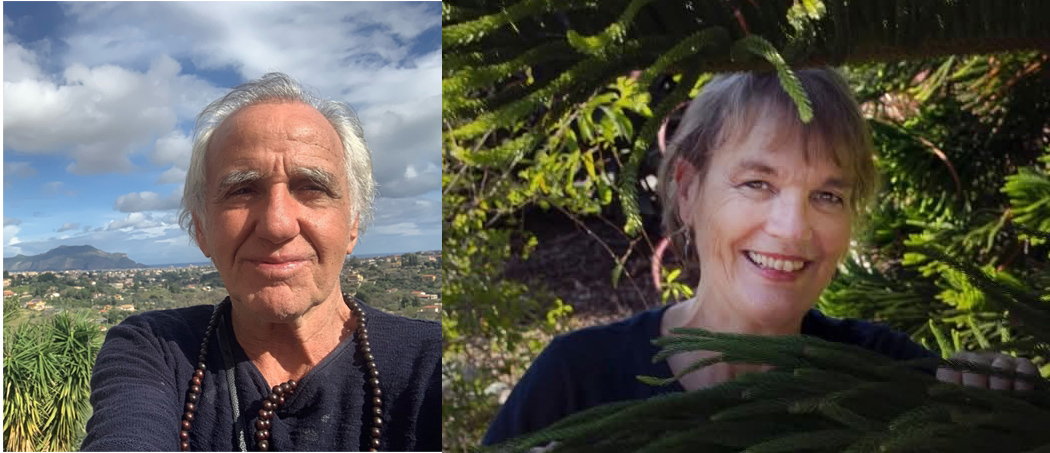
Throughout this upheaval, Paragyan’s connection with Osho remained intact. He returned to Pune in 1987 and trained as a bodyworker and healer. He later opened a meditation centre in Sicily, near his hometown.
Nicola, in marked contrast, was horrified by the crimes, and deeply shaken by her conviction that Osho was complicit in many of them. She describes her moment of parting with Osho: Just as when, for the first time, she put on his mala and experienced a sudden rush of energy, she now experiences a similar energy boost when taking it off for the last time.
Happily, both authors describe reconciling with their parents in later years, and both seem to have found fulfilment in their respective lifestyles.
At issue, here, in these two books, is a question of morality in the context of meditation and spirituality. Nicola clearly thinks that an enlightened being should not behave in a way that hurts people. As a trained psychologist, she diagnoses Osho as a narcissist.
For Paragyan, what happens in the world around Osho is less important. He is not so much focused on the mystic as a person, but on the state of consciousness towards which Osho is pointing, and which Paragyan himself is experiencing.
It may have helped Paragyan that he was more of a rebellious type, living on the Ranch only for short periods, and being expelled from Osho communes in Europe for his independent attitude.
Nicola, on the other hand, was more deeply involved in management and Ranch security, and was a witness to what she considered to be cruel and heartless behaviour. She also felt traumatised by those occasions when, out of obedience to authority, she felt compelled to go against her own intuition.
There is no need to conclude that one of these books is right and the other wrong. Inevitably, issues concerning Osho and his sannyas movement will be discussed for years to come, and there is really no need to reach any definitive conclusion.
The two authors offer deep, touching and entertaining insights into their adventures, and it is instructive to read them both.
Note: Both books will be published by the end of this year. Paragyan’s book will also be available in Italian.
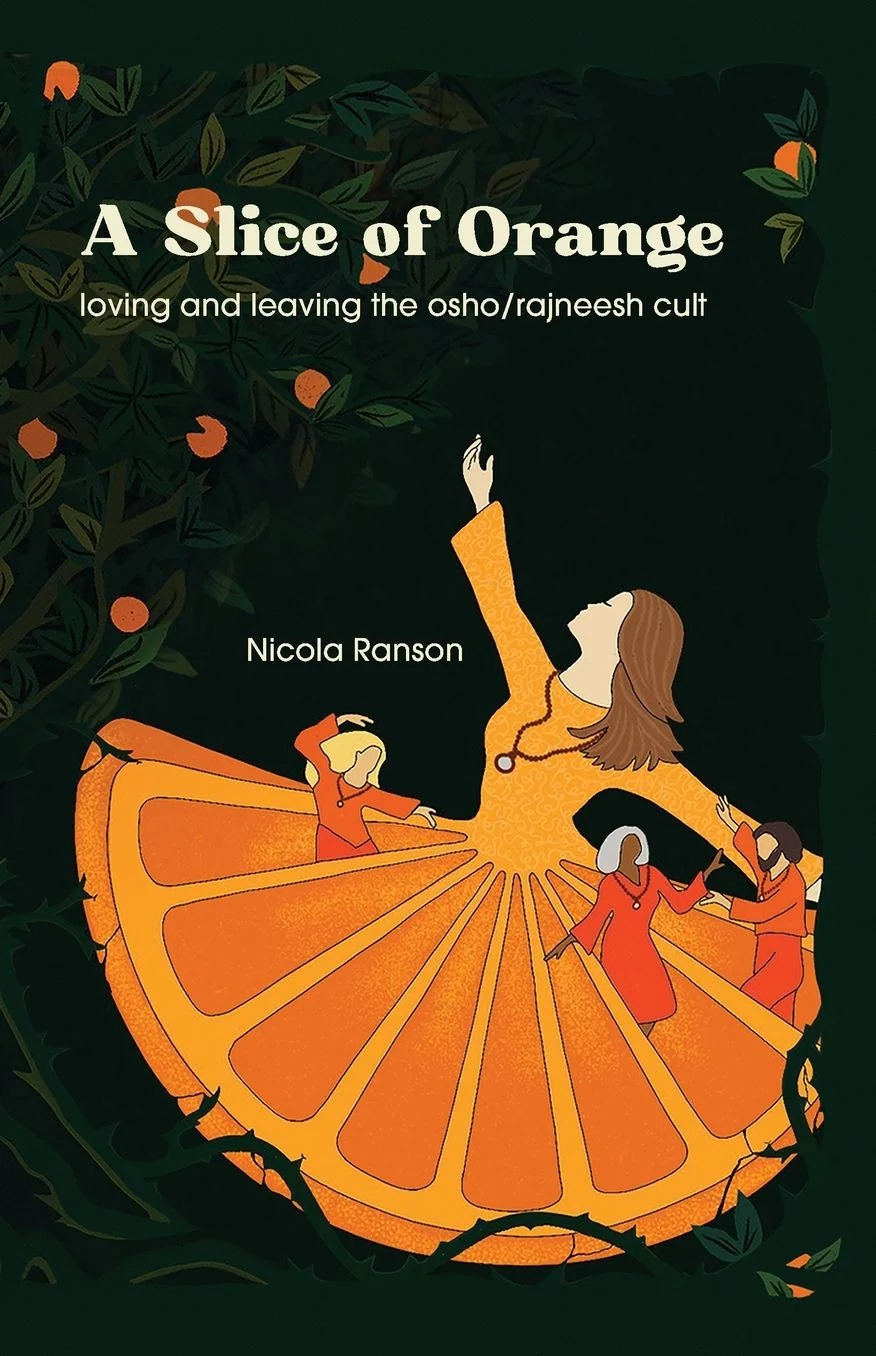 A Slice of Orange:
loving and leaving the osho/rajneesh cult
by Nicola Ranson
To be released on 8 December 2026
Reviews and links to pre-book:
psychologytoday.com
barnesandnoble.com
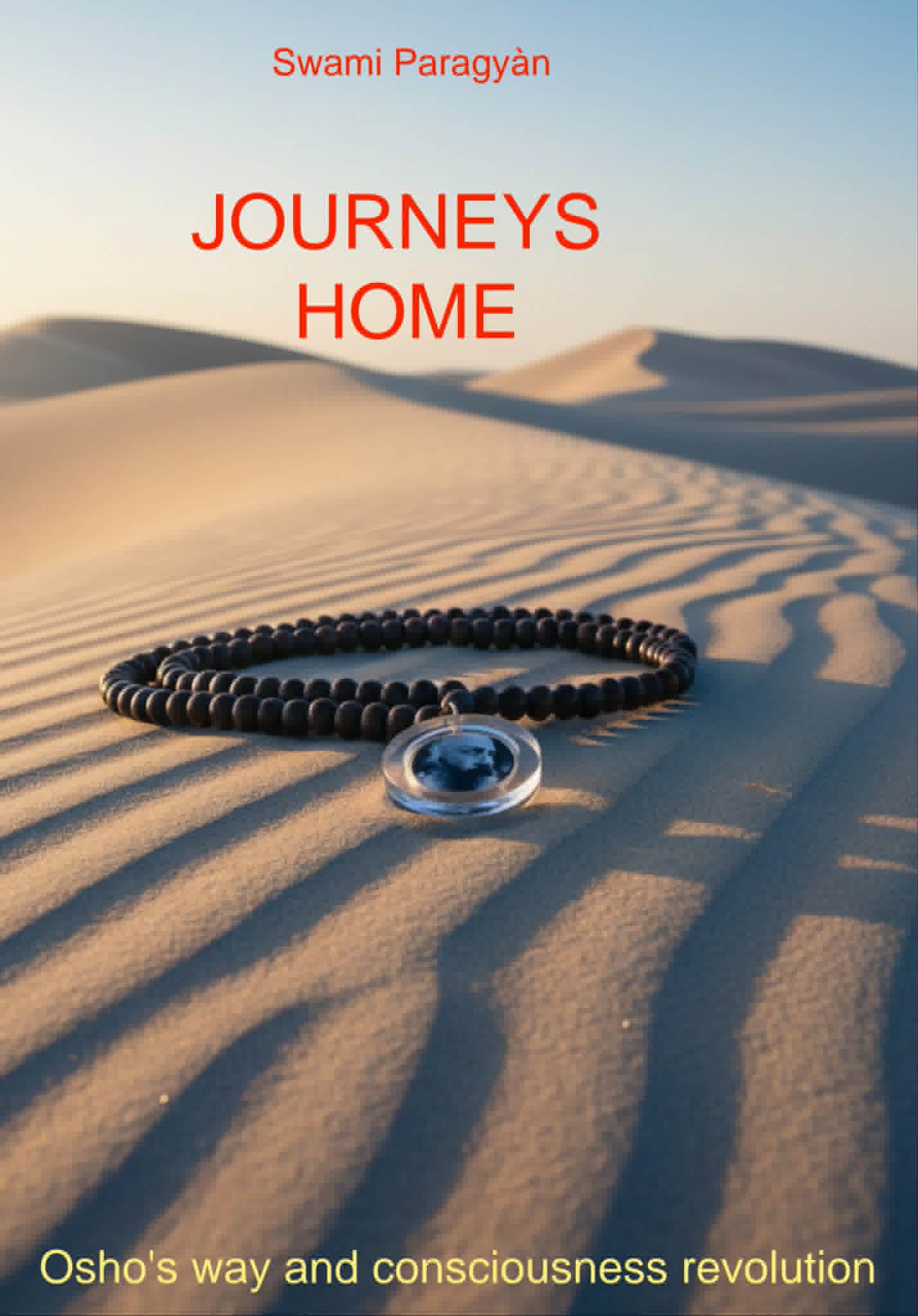 Journeys Home
by Paragyan
To be released in December 2026
Italian original: Viaggi verso casa, also soon to be released
Featured image credit to the author



Comments are closed.