

Amido and Purushottama continue their 2006 travels in India, to Rajasthan, Udaipur and Mount Abu, where they visit Vimala Thakar (Part 4)
Walking in the garden of your presence
Your heart warms me like the sun
Dancing to the music of your silence
Feeling like my life has just begun
Standing in your grace…
(Songwriter unknown) 1
When in Puttur, Karnataka, at Ajja’s Ashram 2 we had been told of an enlightened woman, Vimala Thakar, who lived in Mount Abu, Rajasthan, and with whom it was possible to have an audience. So on we went, intrigued… and interrupted by a brief sojourn in Udaipur, Rajasthan.
We took a train to Ahmedabad, in Gujarat, and then on to Udaipur.
Rajasthan is the largest Indian state by area, and seventh in terms of population. The Thar Desert covers a substantial portion of its northwest; the Tropic of Cancer passes through its southernmost tip. Rajasthan is home to five tiger reserves. We didn’t manage to visit a single one, though many years later we did explore the Bharatpur Bird Sanctuary – an important stopover for migratory birds and a UNESCO World Heritage Site.
Rajasthan has a reputation as a warrior state, for it functioned as a barrier to Muslim invaders for three hundred years, from the eighth to eleventh centuries.
Udaipur
Udaipur, located on the southern slope of the Aravalli mountain range, is known as the City of Lakes, all artificial, and initially created by Maharana Udai Singh II who founded the city in 1559. His aim was to establish permanent water security.
We spent a mere three days wandering the streets of Udaipur, so can provide only a snapshot of this beautiful city.
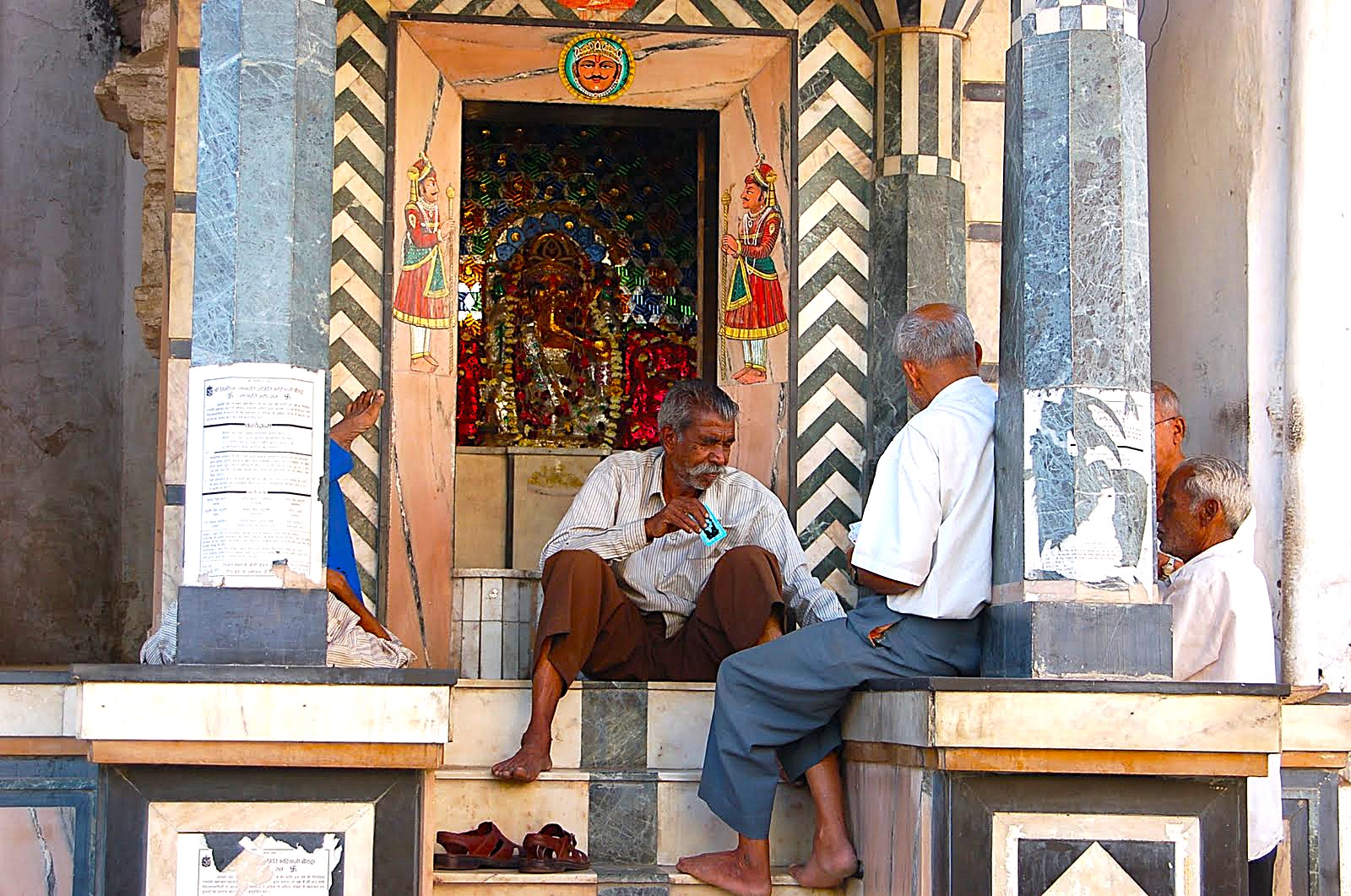
Men leisurely play cards on the steps of an ornate Hindu temple.
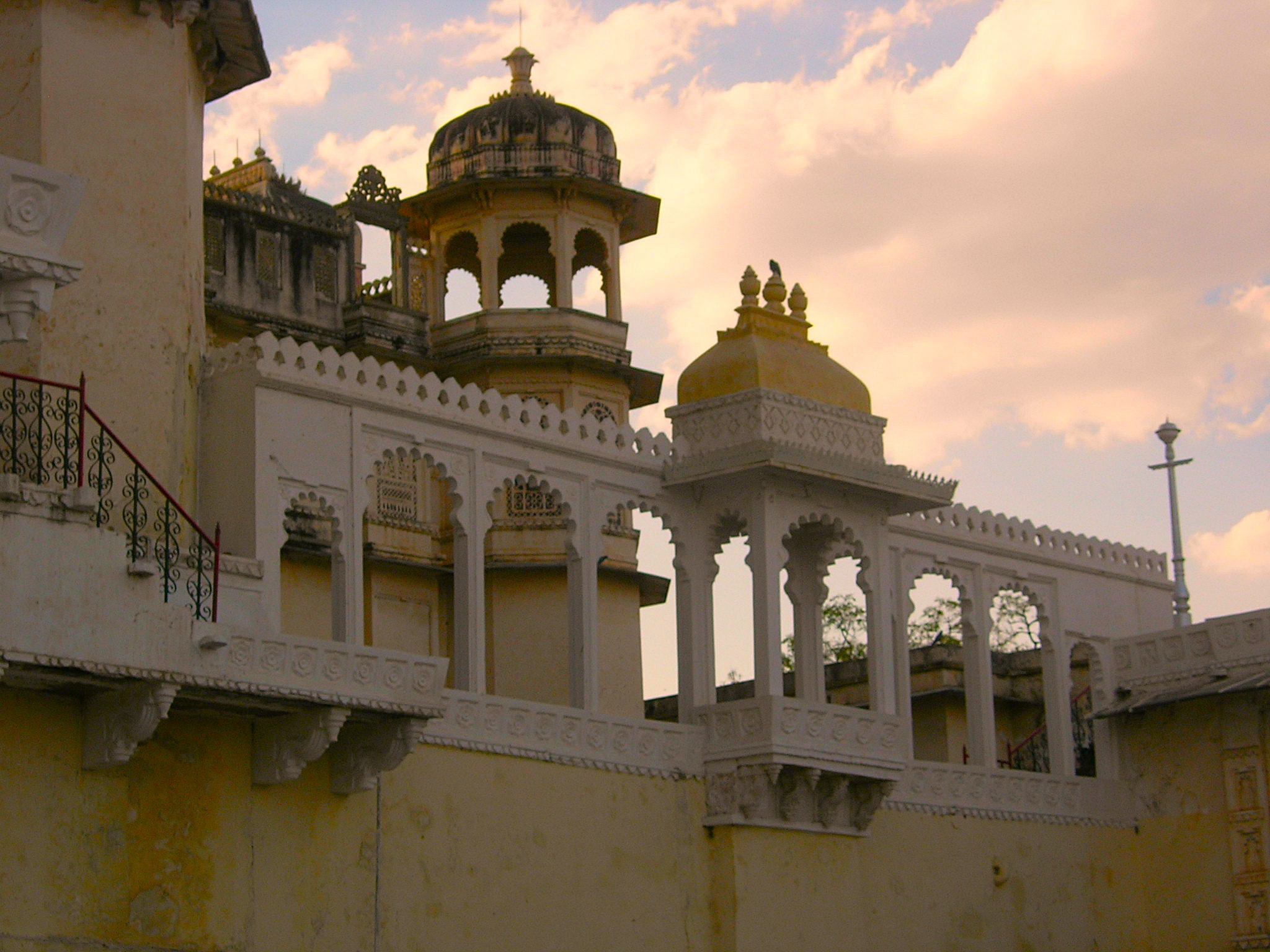
Rajasthan is famous for palaces, forts, and temples that display a Rajput architectural style – a composite of Hindi, Moghul, Persian, and, of course, regional influences. The photograph shows a detail of the City Palace built by Maharana Amar Singh II between 1698 and 1710 CE.


L: The peacocks in the top corners of the gate symbolize beauty and grace. The repeating gateways entrance. R: Walking through centuries of history, one arch at a time.
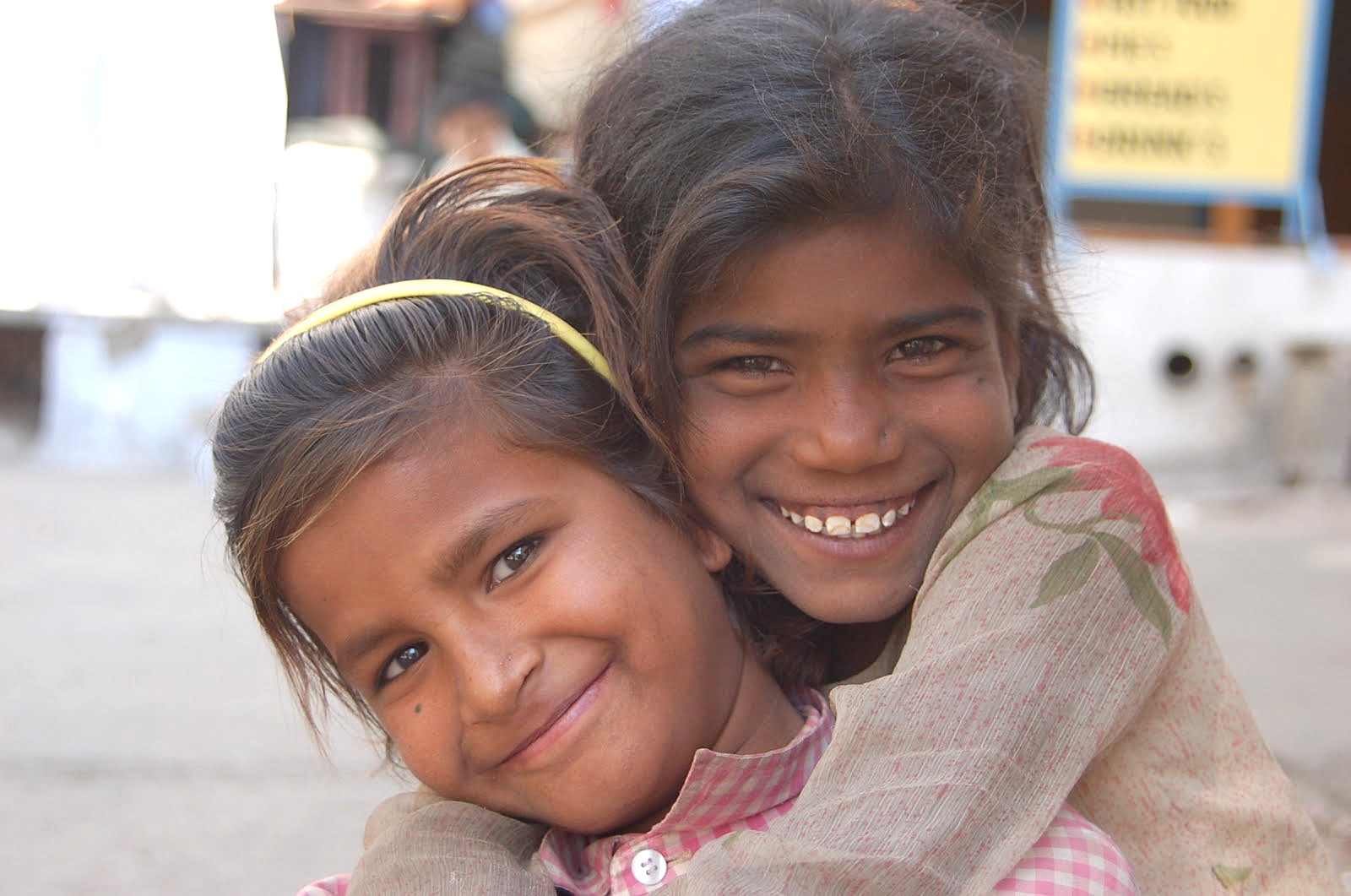
These best of friends asked for their picture to be taken.
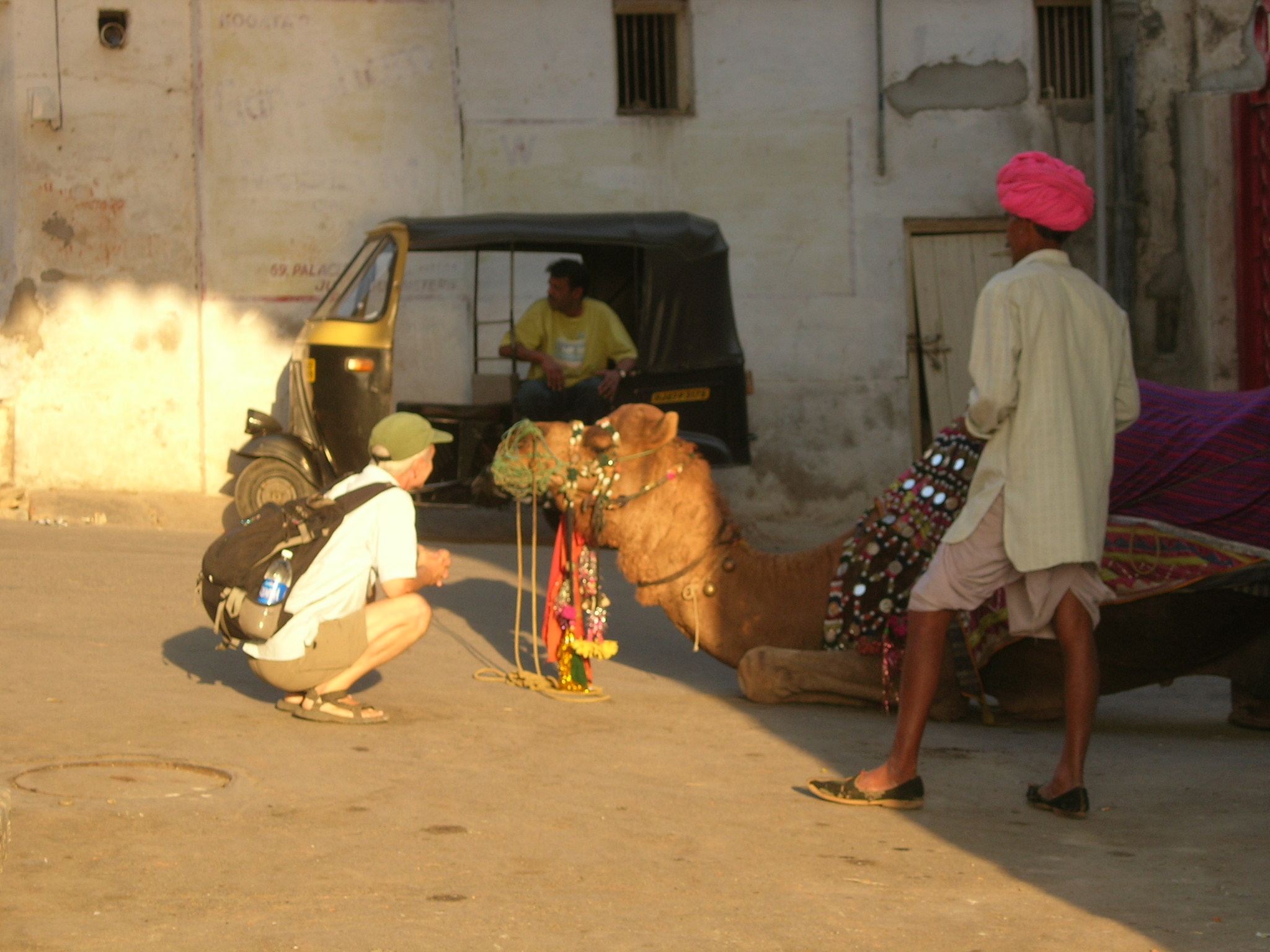
Purushottama communing with a meditating camel. Camels have a thick callus (a fifth foot) on their chest that raises the torso slightly off the ground when cushed (when resting on folded legs) – allowing cooler air to circulate underneath. They also have beautiful eyelashes, in fact a double row of them, to protect their eyes from sun and sand.
Mount Abu
From Udaipur we took a train to Abu Road Railway Station (a distance of 102 miles [163 kilometers]), gateway to the hill station of Mount Abu. We arrived in the still of the morning. Reassuringly, one other person with the same destination was waiting at the bus station.
Serendipitously, the guesthouse we happened upon in Mount Abu, Ganesh Guesthouse, was close to Vimala Thakar’s ashram. Moreover, the manager of our guesthouse was a friend of hers, so he was able to pick up the phone and arrange a meeting for the following afternoon.
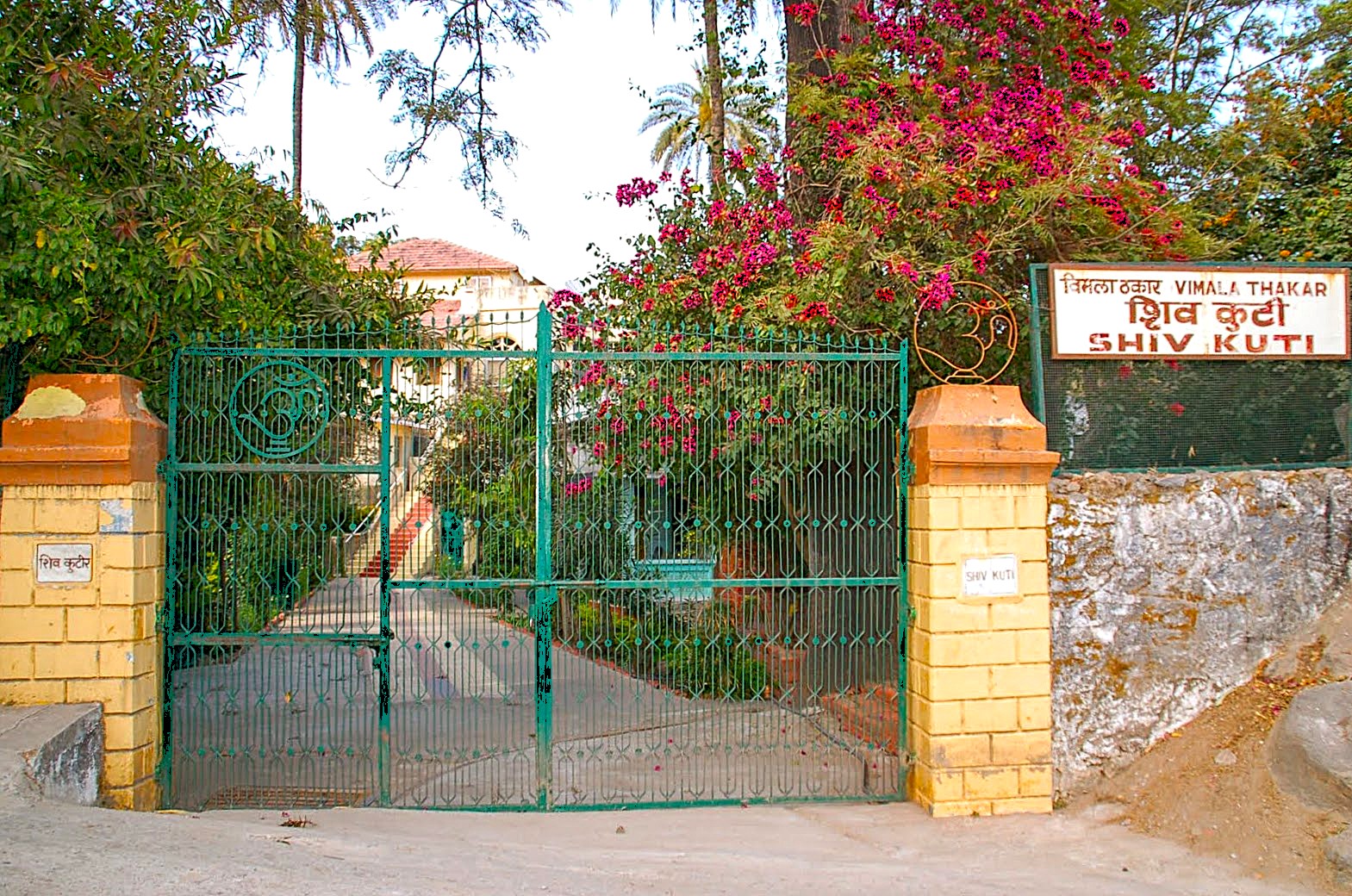
Vimala Thakar’s ashram, Shiv Kuti (Lord Shiva’s Dwelling), was a small ashram for women, from all over the world, with whom she worked closely.
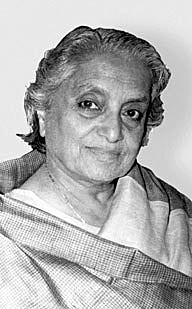 Vimala Thakar was very much involved in the Bhoodan (Land Gift) Movement, a campaign to persuade wealty landowners to share their land with landless farm workers. She successfully helped redistribute hundreds of thousands of acres. In 1956, after ten years of this work – which involved walking all over India – she attended some talks by J. Krishnamurti in Varanasi, Uttar Pradesh. Though she was seated at the back of the room, Krishnamurti noticed the intensity of her attention and invited her for private discussions, which then triggered a profound inner silence. She also spent time with him in Switzerland, which furthered her transformation. Krishnamurti encouraged her to begin teaching, and from 1962, Vimala traveled the world sharing her understanding.
Vimala’s background in social activism penetrated her expression of enlightenment. She discusses how the times we live in call for spiritual seekers to have social consciousness and for social activists to evolve a scientific understanding of the workings of the mind – for without this fusion neither approach will be successful. She spoke about how the understanding of the essential relatedness of all life is the challenge of our times. She also acknowledged that social activism is not for everyone; that “intense self-education and transformation are naturally, in themselves, valid and very significant forms of social action.” (Vimalaji on Intensive Self-Education)
“Life is divinity, there is no divinity apart, outside, or independent of life. And divinity is creativity… It seems to me, my friends, that to live is to perceive divinity, to be aware of the creativity of divine life, partaking of that creative energy, receiving it, assimilating it, and sharing it with all the fellow beings that inhabit the planet… The act of living implies an interaction with that sanctity of life, with that creativity of life.” (Thakar, Vimala, ‘Awakening to Total Revolution’ in What Is Enlightenment? magazine Issue 19, Spring/Summer 2001) (Also see 4 and 5)
Vimala Thakar left her body on 11 March 2009.
Entering the gate for our mid-afternoon visit, I felt that energizing mix of fear and anticipation; we walked up the exterior stairs and were shown into a sitting room where Vimala was seated. Her presence suffused the room… a penetrating silence in which the mind goes into a temporary abeyance in the presence of one who is so very present.
We introduced ourselves and told her that we were Osho sannyasins. Vimala mentioned that Rajneesh was a friend. He had invited her to Jabalpur, to lecture at the university when he was chair of the Philosophy Department and had taken her on an outing to the Marble Rocks on the Narmada River. Afterwards they went for ice cream, which she discouraged him from eating, as she was aware of his health issues. She told us she felt like a big sister to him and that she felt sad about what had happened to him in Oregon. She then talked briefly to each of us about the names Osho had given us.
Purushottama asked Vimala about her experience with Krishnamurti, and how he had helped her to become enlightened through their private meetings – also about the healing sessions he gave for her intractable ear problem. “She stated that if one wants to say that the transformation that happened to her was through the grace of Krishnaji, she was fine with that,” wrote Purushottama in his book, From Lemurs to Lamas. 3 Vimala also relates the story in her book, On an Eternal Voyage.
She asked us about our travels in India and the life we were living. She encouraged us to let life show the way.
Vimala asked one of her students to bring four of her books which she gave to Purushottama with great deliberation. It was lovely sitting there – so still, within and without. And then it was time to go. We felt overflowing gratitude to have shared a cup of tea with her and to have bathed in her presence…
The next day we had planned to leave, but extended our stay. We were so deeply affected by meeting Vimala and wanted to spend the day immersed in the books she had given us.
Mount Abu is a beautiful town. One of the staff members at our guesthouse took guests on sunset hikes up into the hills, and in town there is a well-loved lake. 6
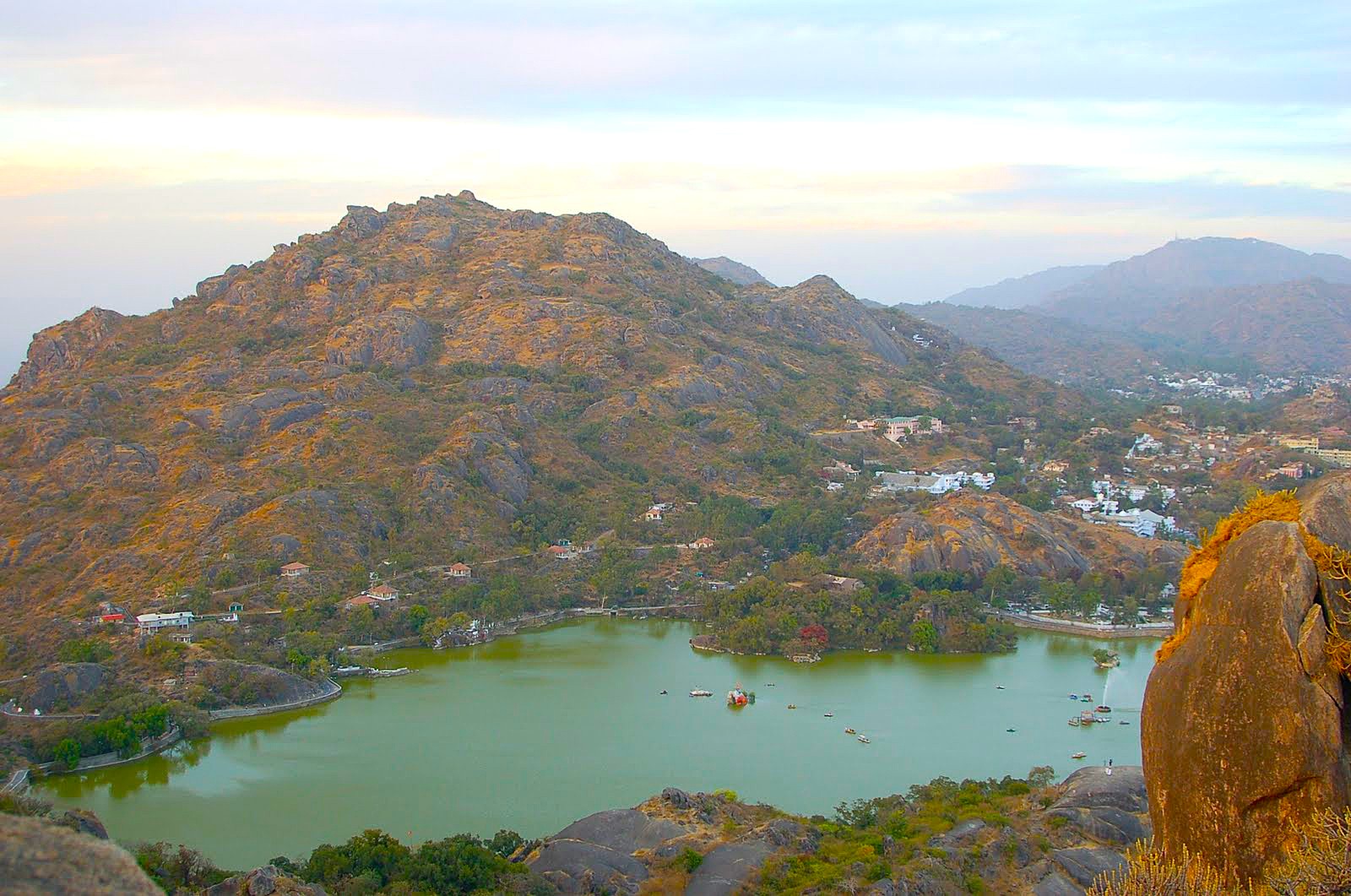
Nakki Lake, (Nakh means fingernail) considered an ancient, sacred lake, provides a glimpse of the beauty of the area. It attracts both pilgrims and tourists. A myth describes its origins: it was dug out by gods using their fingernails to create a sacred bathing place. Mahatma Gandhi’s ashes were placed in the lake on 12 February 1948.
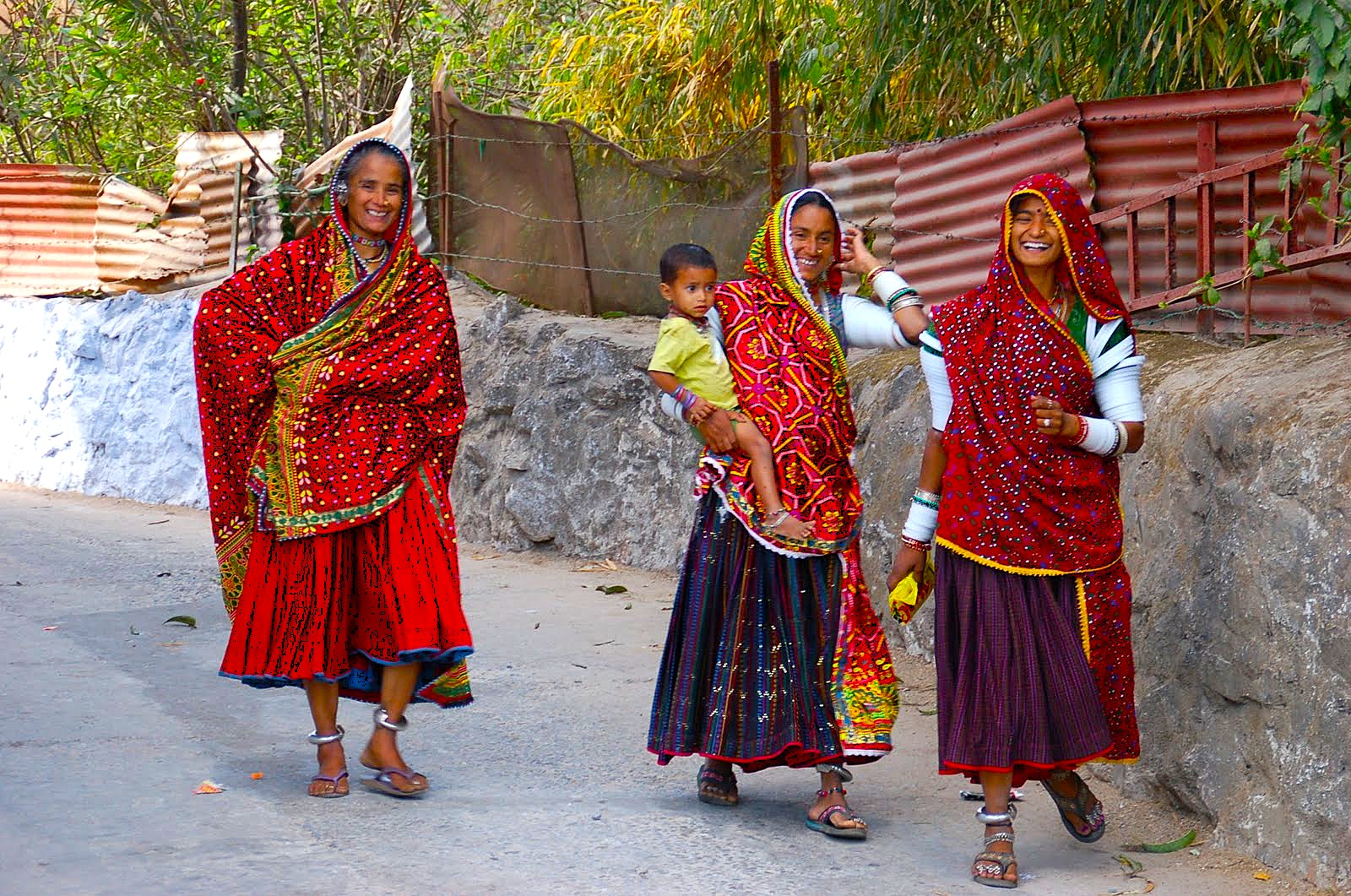
Just up the road from Vimala’s ashram this group of dancing women appeared – so colorful, so joyous, so ornate!
In the early ’70s, Osho held several meditation camps outdoors in Mount Abu, at the Palace Hotel. In winter the main sessions were moved indoors, though some individual meditations continued outside.
For those who are interested, some of Vimala Thakar’s talks and books are available on Purushottama’s website under Downloadable Books Vimala Thakar. 7
Sources and related links
- Standing In Your Grace: sannyas.wiki
- The Pilgrimage continues… – Purushottama and Amido write about their 2006 travels, when they visited Kerala and Karnataka – and two holy men, Ajja and U.G.
- A cup of tea with Vimala Thakar – An excerpt from Purushottama’s book, From Lemurs to Lamas: Confessions of a Bodhisattva.
- Vimalaji and the Perspective of Life by Vimala Thakar (PDF): o-meditation.com
- On an Eternal Voyage by Vimala Thakar (PDF): o-meditation.com
- Nakki Lake: Sacred Lake Carved by Gods in Mount Abu: growbilliontrees.com
- Downloadable Books Vimala Thakar (links): o-meditation.com
In the same travel series: A Pilgrimage
- The end of the Pilgrimage (for now…) – Amido and Purushottama remember their 2006 travels: visiting the samadhis of Osho, Hazrat Babajan, Ramesh Balsekar, Sai Baba of Shirdi, and Meher Baba – plus Nisargadatta’s flat and the Ajanta and Ellora caves (Part 3)
- The Pilgrimage continues… – Purushottama and Amido write about their 2006 travels, when they visited Kerala and Karnataka – and two holy men, Ajja and U.G. (Part 2)
- A pilgrimage – Amido and Purushottama visit India in 2005 – a pilgrimage to places where Masters and holy men have lived (Part 1)



Comments are closed.