

Anuragi reflects on the challenge of preserving a living legacy
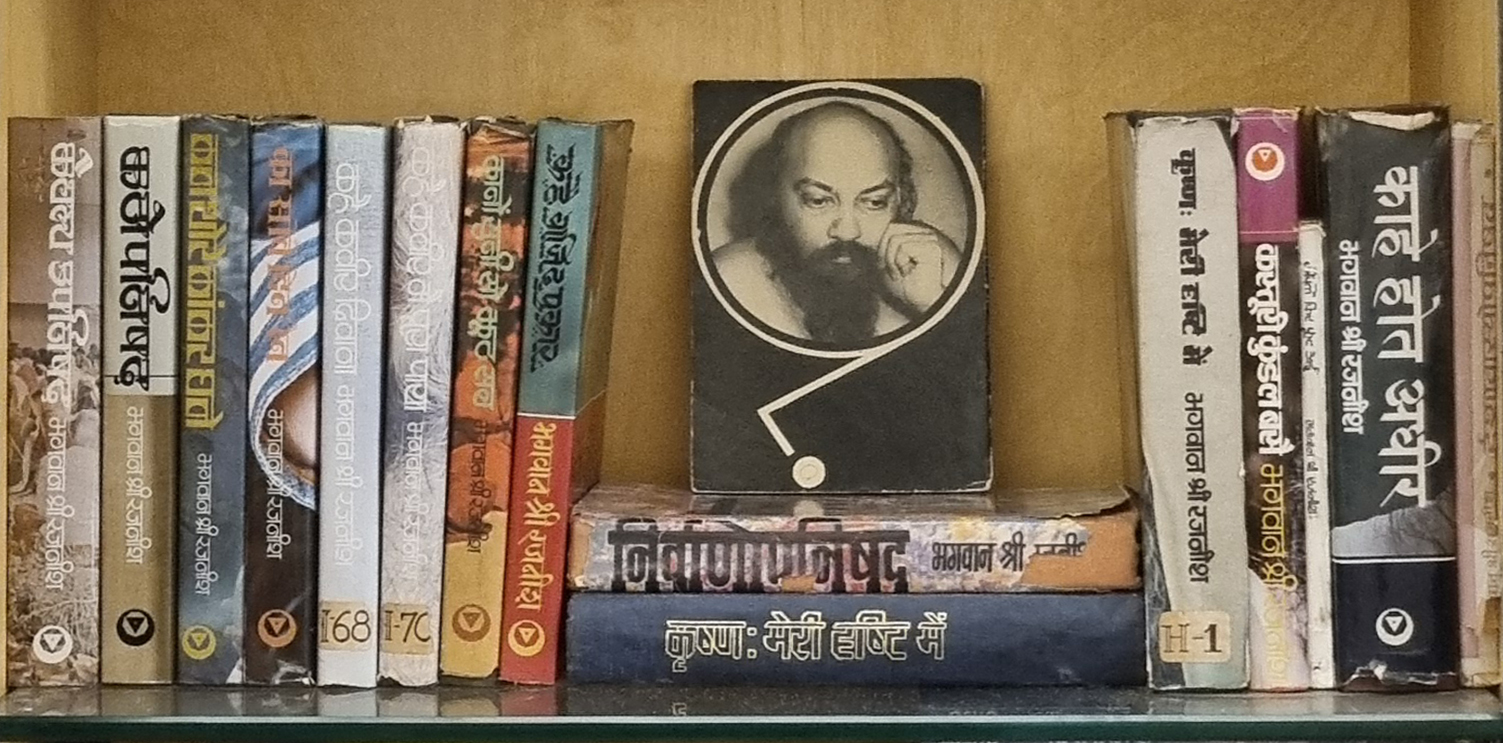
The story of the archives began around 2017, though at that time I didn’t know that anything called an “archive” was beginning at all.
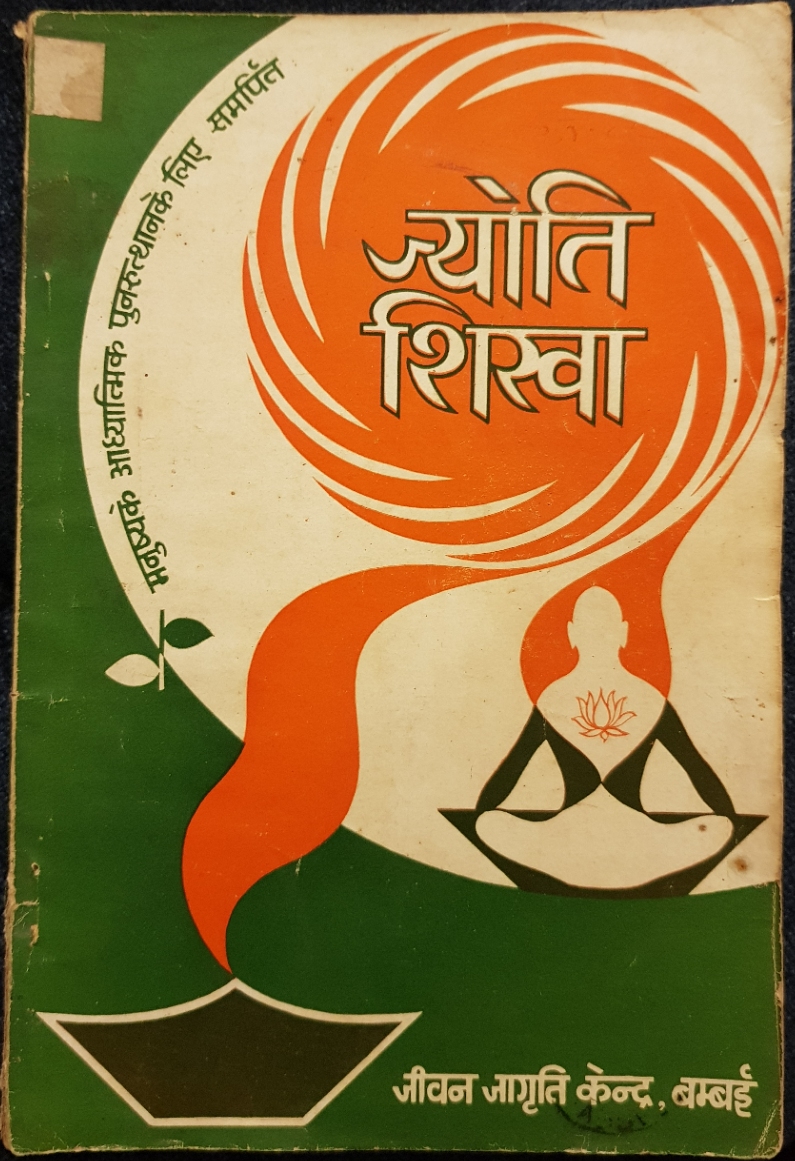
I was working in a senior management position for a corporate company, fully occupied with professional life. During this period, I suddenly remembered the beautiful first edition books by Osho that I had once owned, many years earlier. Some of them had silk-bound hard covers, delicate dust jackets with Osho’s photographs, and detailed notes printed inside the flaps. I had read somewhere that Osho himself was involved in designing many of these books – selecting titles, layouts, and finer details.
Over the years, a few of those books were given away and some were simply lost with time. But the memory of them remained alive somewhere.
Almost casually, I began searching for a few first editions again.
I started contacting old bookstores, meditation centers, collectors, and old-time sannyasins, asking if anyone still had those early publications. It was not easy to find them anymore. Many had disappeared. Others were damaged. Some people did not even realize the significance of what they possessed.
Then slowly, the first few books began arriving.
I still remember the feeling of holding them again after so many years – the texture of the paper, the old bindings, the photographs, the fragrance of aging pages. There was an immediate and silent connection with them. Something about these books did not feel merely historical. They carried a certain intimacy with Osho’s living presence and the time in which they had emerged.
Without realizing it, the search began deepening.
Whenever I travelled for work, evenings would often be spent visiting bookstores, meditation centers, and homes of people connected with Osho. During these visits, I started encountering extraordinary photographs from the early years – meditation camps, lecture tours, informal moments. Many of these photographs had never been seen publicly.
There was a powerful pull toward preserving them. At some point, a simple thought arose: these photographs need to be protected… they need to be digitized.
I bought a small portable scanner which would remain in my work bag while travelling. At that time, I knew almost nothing about professional digitization. I did not know the difference between TIFF and JPG files, or about archival standards or preservation methods. The only thing that mattered was saving whatever could still be saved.
Gradually, my travels became centered around this work. Weekends were no longer weekends. They became journeys across Central and Western India – especially Madhya Pradesh, where Osho was born, educated, and later taught as a professor. Gujarat, Maharashtra, Punjab, and many other places slowly became part of an expanding map connected through memories, people, letters, and forgotten material.
Whenever I met people who had been with Osho during the early days, they always had stories. Some had letters written by him. Some preserved books signed by him. Others had photographs, notes, recordings, or small personal objects carrying deep emotional value. Most of these materials were not being preserved properly at all.
Letters were wrapped inside old newspapers or plastic bags and kept beneath clothes in cupboards. Many carried heavy stains caused by age, moisture, dust, and neglect. Some had already been torn and repaired with tape. Old reel-to-reel audio recordings were deteriorating, negatives fading. I realized that if things continued this way, much of this material would simply disappear over time.
Perhaps that was the turning point and my involvement gradually became so complete that I eventually left my professional career and devoted myself fully to collecting, digitizing, preserving, restoring, and archiving material connected with Osho’s life.
Looking back, it never felt like had left anything behind. It happened naturally. The work itself slowly began determining the direction of my life.
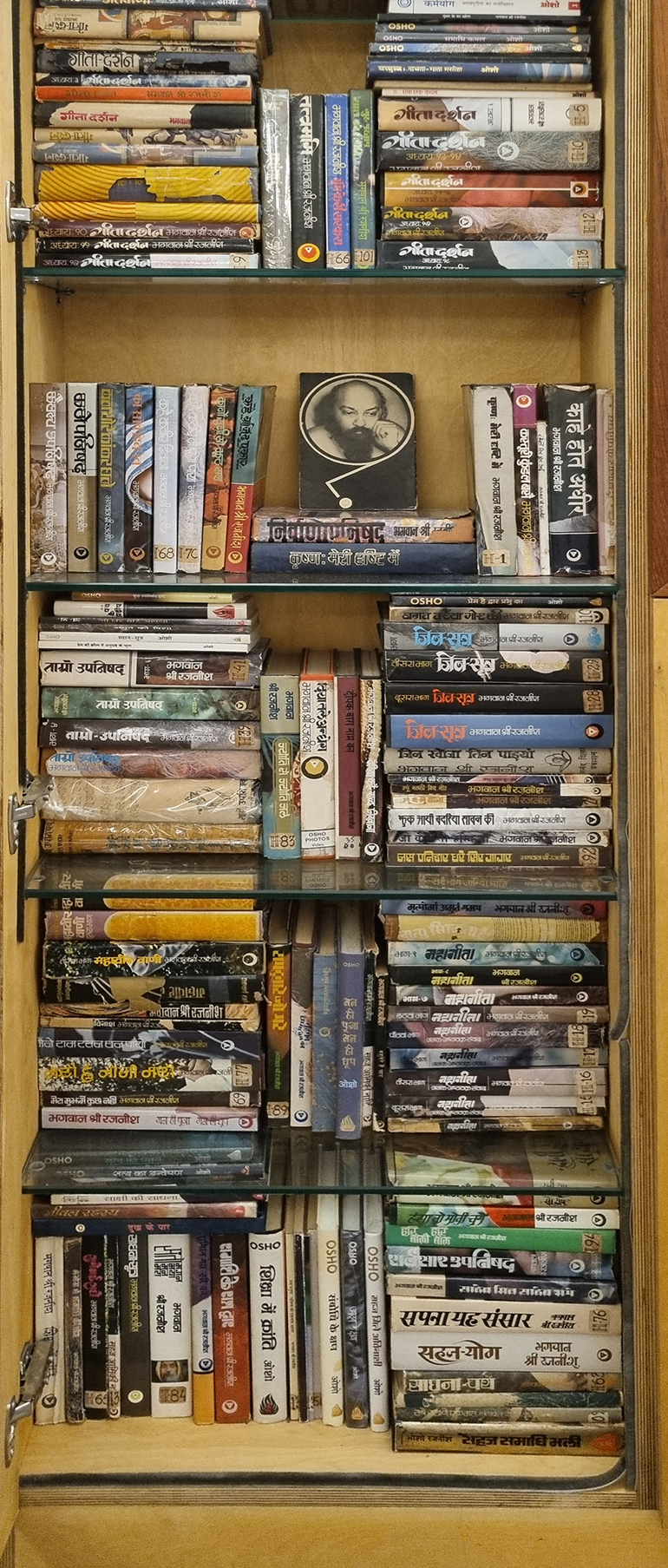 During this period, I also became closely connected with friends associated with Sannyas Wiki, where extensive archival and documentation work related to Osho has been unfolding over time. Gradually, I began sharing rare Hindi books, periodicals, manuscripts, photographs, and other material that was missing from the Wiki. The understanding blended naturally, and the work continues to evolve in many directions even today.
As my new journey developed, so did people’s trust. Many old-time sannyasins and their families began presenting original letters, signed photographs, books, robes, and other personal items connected with Osho. The intention behind these gestures was simple: they wanted these things to survive and be preserved properly.
It was during this period that another challenge emerged. India had very limited access to proper archival preservation material. Acid-free boxes, preservation-grade paper, archival cloth covers, and conservation material – suitable for storing delicate manuscripts, robes, and photographs – were difficult to find locally. Eventually, these had to be imported from the United States and the United Kingdom. A controlled environment also became necessary – dust-free spaces, proper storage systems, temperature management, and professional digitization equipment.
The work was no longer just collecting – it had become preservation.
A major turning point came when I connected with Swami Anand Neeten, Professor Pierre Evald from Skagen, Denmark, one of the most dedicated researchers and biographers of Osho. Neeten himself had spent years travelling across India, often under difficult circumstances, researching Osho’s life, collecting and preserving fragile material before it disappeared forever. His monumental work on Osho’s life , his Osho Source Book, remains one of the most detailed archival and biographical efforts related to Osho.
In 2020, I travelled to Skagen, Denmark, to meet him. Those two days brought me immense clarity. Neeten possessed an extraordinary understanding of preservation and archiving. He had carefully preserved rare manuscripts, first edition books, records, photographs, and even objects used by Osho during his Jabalpur years.
He explained to me the importance of proper archival methods, documentation, handling, storage environments, and long-term preservation practices. More than the objects themselves, it was his sensitivity toward preservation that deeply affected me. I noticed we shared the same sensitivity toward preservation. Our priority was never ownership, it was safeguarding.
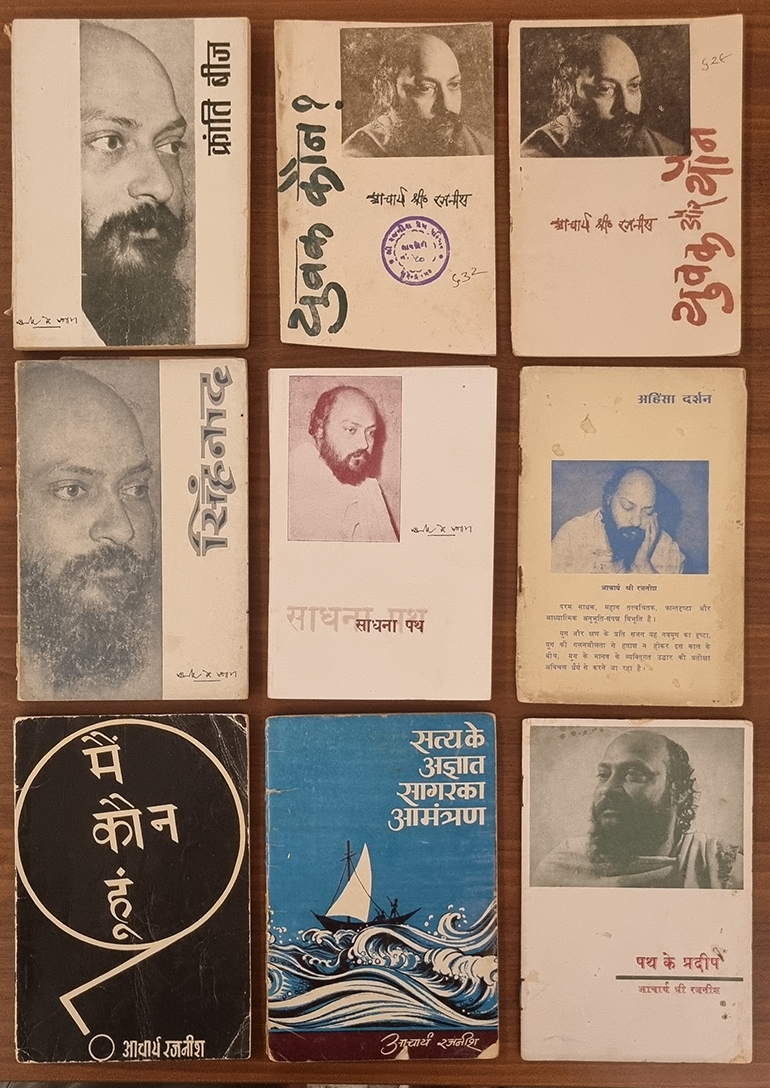 Over time, I also began understanding how delicate this responsibility is. A robe behind glass can very quickly become devotional mythology. The challenge was not merely to preserve these fragments, but to preserve them with enough sensitivity that they remained human, alive, and rooted in their living context.
During this period, my visits to Pune also brought me in close contact with Swami Niklank Bharti, Osho’s younger brother, who had preserved many rare photographs and personal materials connected with Osho’s early life.
I had first gone to meet him with a very simple request – whether I could scan some rare photographs that he had kept over the years.
At this point I feel it’s important to remember what Osho said about Niklank in Glimpses of a Golden Childhood:
“One of my brothers, my fourth brother, Niklank, has been collecting everything concerning me from his very childhood… Everybody laughed at him… And it is because of Niklank that a few pictures of my childhood have been saved… Even if I threw something away in the wastepaper basket, he would search to see if I had thrown away something I had written… The whole town thought he was mad.”
Later, reading those words, I understood the kind of sensitivity and devotion that had protected many fragments of Osho’s early life.
Swami Niklank received me with immense warmth and affection from the very first meeting. He brought out photographs – one after another – and patiently allowed me to scan them carefully. As we sat together, he would explain the background of each photograph whenever I asked, and I would quietly make notes.
Over time, whenever I travelled to Pune, to visit him became a natural part of the journey. Then one day, during a phone conversation, he casually asked when I would come to Pune next. There was something in his voice, though I did not ask the reason. I just said that I would come whenever he wished.
A few weeks later, I travelled to Pune and went to meet him. He welcomed me warmly, embraced me, and after a short conversation went into another room. When he returned, he was carrying a bag filled with notebooks and old files.
One by one, he began taking them out carefully. They were Osho’s notebooks. Some of them dated back to around 1945 onwards – from Osho’s teenage years.
One notebook from around 1946–47 contained verses from Kabir, Gorakh, Nanak, Sufi mystics, the Koran, the Bible, and many other sources, alongside Osho’s own understanding written in his own hand. At that time, he would have been barely fourteen or fifteen years old.
Another extraordinary notebook was an index of books from Osho’s personal library, revealing the astonishing range of his reading during those years.
I sat there in silence, overwhelmed by what I was seeing. After showing me the notebooks and explaining them briefly, Swami Niklank closed his eyes for a few moments. Then, very quietly, he handed all of them to me.
He said: “Now keep them with you. If you find a successor to whom you can hand them over, do so. If you cannot find a successor, put them in the river.”
For a few moments, I could not even comprehend what was happening. The weight of his trust in that moment was immense. I remember saying to him that there would surely be a way forward, and that someday the right people would emerge and continue this work. But inwardly, something had changed. Until then, the work had felt like preservation. After that moment, it felt like responsibility. The journey had entered an entirely different dimension – one I had never originally imagined.
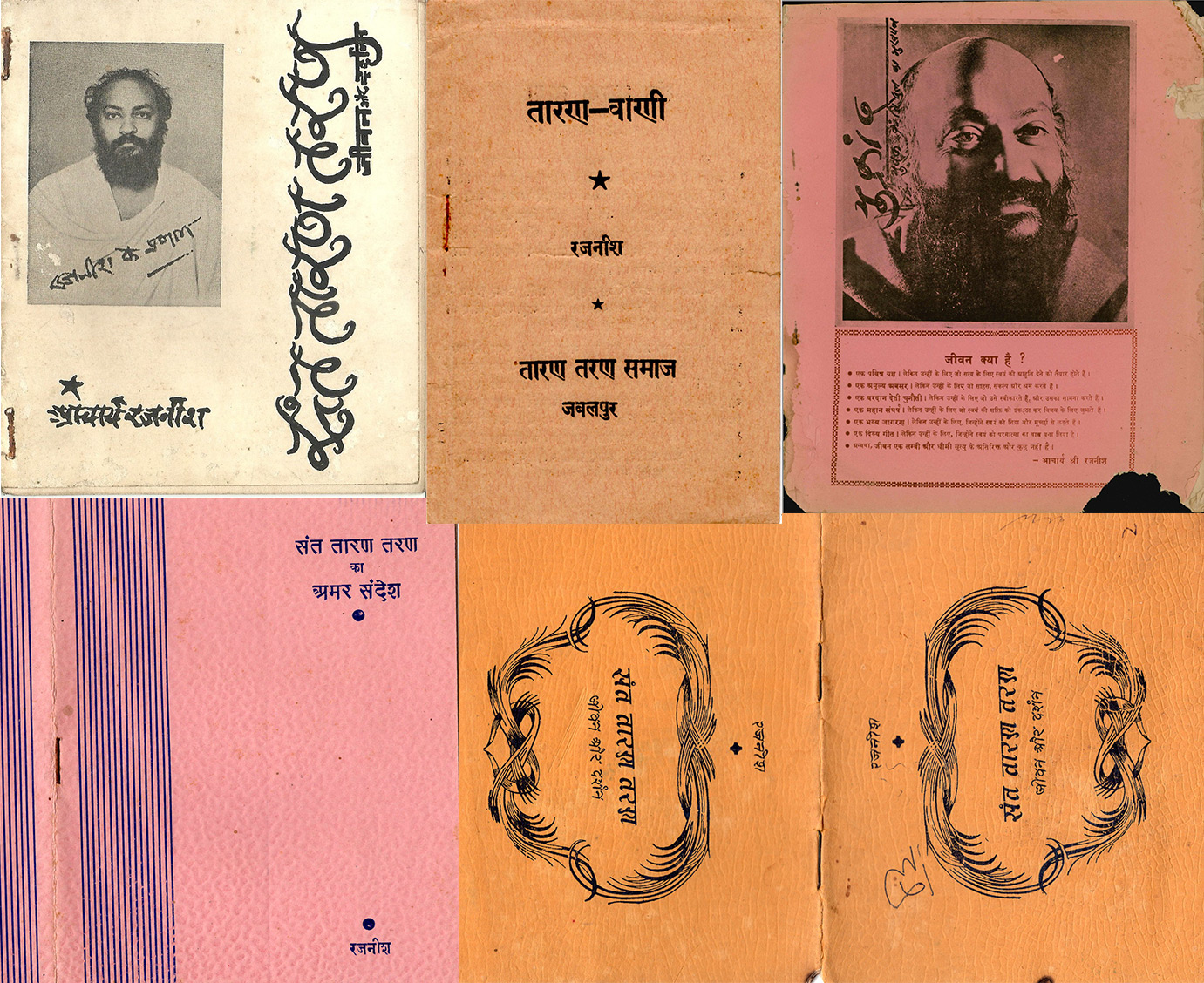
A few weeks later, Neeten wrote to me saying that he would be sending the original manuscripts that he had carefully preserved during his years of research and travel in India. Soon afterwards, he couriered the material with extraordinary care, along with detailed instructions regarding preservation and handling. Later, he also gifted me with his archives of books.
All the manuscripts, photographs, notebooks, and rare materials have since been digitized in high resolution, while the originals remain carefully preserved in a secure archival storage. Throughout this journey, I have continuously meeting people whose generosity, trust, reverence, and compassion cannot be explained with logic.
One such unexpected connection was with the sannyasins associated with the Osho Academy in Santa Barbara, earlier based in Sedona. At one point, I had casually written to them asking whether they possessed high-quality audio or video recordings of Osho’s discourses. It was simply a random email sent without knowing anyone personally there.
 A few days later, a reply arrived saying that they did indeed have them. And what followed surprised me even more. With immense graciousness they offered to donate the recordings, along with books and periodicals from their archives. Their only concern was that the shipment should travel by air rather than by sea, so that the material would not be damaged during transportation.
They offered everything without any further questions. Even now, I sometimes wonder how such things can happen. There was no calculation, no strategy, no logic that can fully explain why people suddenly decide to entrust precious parts of their lives into someone else’s care. Perhaps certain things do move through trust alone.
In the same spirit, many friends and fellow travellers have over the years supported this work, in countless visible and invisible ways. There are many others whose contributions may not appear publicly anywhere, yet their love, goodwill, and trust remain woven deeply into this journey. My gratitude toward all of them remains immense.
There is still much sitting in trunks, in cupboards, on old shelves and in forgotten files, many personal collections across India and parts of the world. Letters, photographs, recordings, robes, notes, books, and memories connected to Osho that continue to remain with people who have preserved them lovingly for decades – sometimes knowingly, and sometimes simply out of affection.
Perhaps, over time, a deeper sensitivity toward preservation may arise collectively. Not in a way that these things become objects of worship, but so that fragments of a living journey are not lost to time, climate, neglect, or passing generations.
The work of preservation is slow, delicate, and ongoing. It requires care, trust, technical resources, proper archival processes, and above all, the right understanding. My journey until now has not been sustained by any planning or institution-building, but by the goodwill, love, and spontaneous support of countless people across the world. Perhaps that is how it should remain. If, through this journey, a deeper sensitivity toward preserving such fragments arises in others as well, then perhaps the work will continue spontaneously on its own.
For me, this was never about creating a museum. It was about ensuring that something alive is not lost.

Comments are closed.